
Who did Delta merge with?
Navigating the complexities of airline mergers and understanding the current landscape of major carriers like Delta Airlines can be a frequent point of inquiry for travelers. While the direct question of "Who did Delta merge with?" might suggest a recent, significant consolidation event, the reality for Delta involves a history of strategic acquisitions and partnerships rather than a single, large-scale merger in recent memory. Understanding this history is crucial for appreciating Delta's current global reach and its competitive positioning in the airline industry for 2025-26.
For travelers seeking the best value, knowing the operational history and strategic alliances of an airline can indirectly inform booking decisions and loyalty program benefits. Delta has consistently focused on organic growth and strategic integrations that enhance its network and customer offerings. This approach has solidified its status as one of the world's leading airlines, providing extensive options for both domestic and international journeys. This article will delve into Delta's historical integrations and partnerships, offering insights relevant to today's travel planning.
Delta's Merger and Acquisition History
Delta Airlines has not undergone a major merger in the contemporary sense that would significantly alter its core identity in the last decade, unlike some of its major competitors. Instead, Delta's growth strategy has primarily involved acquiring stakes in other airlines and forming strategic alliances to expand its network. This approach allows for greater operational flexibility and network synergy without the complexities of a full merger. Understanding this distinction is key to grasping Delta's current market position and its operational philosophy for 2025-26.
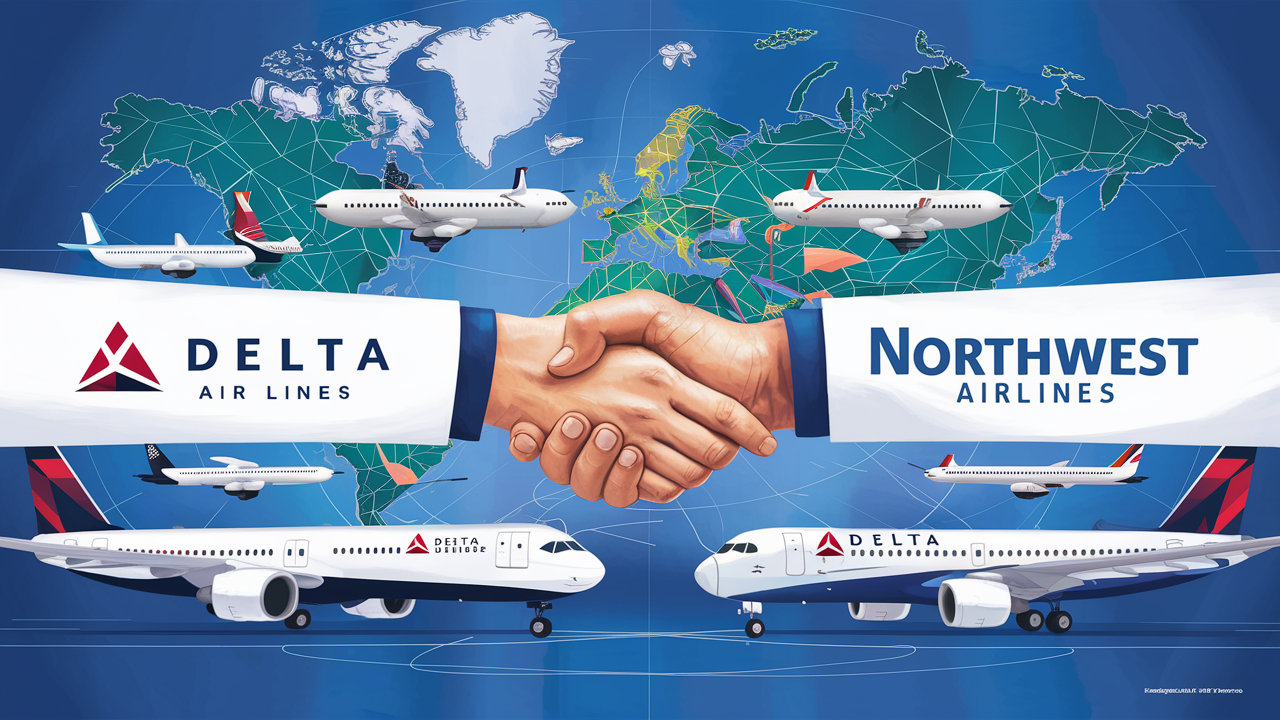
Historically, Delta's most significant consolidation was its 2008 merger with Northwest Airlines. This landmark event created one of the largest airlines in the world at the time, significantly expanding Delta's domestic and international routes. The integration of Northwest's operations, fleet, and loyalty program was a complex, multi-year process that ultimately reshaped Delta into the global carrier it is today. This merger remains the most substantial consolidation in Delta's recent history.
Following the Northwest merger, Delta has largely focused on strategic partnerships and minority stake acquisitions rather than full-scale mergers. These include significant investments in airlines like Aeromexico, Virgin Atlantic, and KLM, which operate under the SkyTeam alliance framework. These partnerships allow Delta to extend its reach and offer seamless travel experiences to a broader range of destinations without absorbing entire airline operations. This strategy has proven effective in maintaining Delta's competitive edge in a dynamic industry.
The rationale behind Delta's preference for strategic alliances over mergers is multifaceted. It allows for greater control over integration costs, preserves brand identity where beneficial, and facilitates targeted network expansion. By investing in and collaborating with partner airlines, Delta can leverage their strengths, such as specific route networks or regional expertise, to enhance its own global offerings. This measured approach ensures sustainable growth and operational efficiency, crucial for navigating the airline sector's challenges in the coming years.
Key Historical Integrations
The merger with Northwest Airlines in 2008 was a transformative event for Delta, marking the culmination of a period of significant consolidation within the US airline industry. This integration brought together two carriers with complementary route networks, allowing for a more robust presence in key hubs like Detroit, Minneapolis-St. Paul, and Seattle. The combined entity boasted a larger fleet and a more extensive global footprint, positioning Delta as a formidable competitor.
The integration process was extensive, involving the harmonization of reservation systems, loyalty programs, and operational procedures. Delta's SkyMiles program absorbed Northwest's WorldPerks members, creating a larger and more valuable rewards base for travelers. This merger was not merely about scale but also about achieving significant cost synergies and operational efficiencies, which are critical for profitability in the airline business. The success of this integration laid the groundwork for Delta's subsequent strategic growth initiatives.
Prior to the Northwest merger, Delta had also absorbed smaller airlines like Atlantic Southeast Airlines (ASA) and Shuttle America, which operated as regional carriers under the Delta Connection brand. These acquisitions were more about expanding regional capacity and feeding traffic into Delta's main hubs. They allowed Delta to maintain a strong presence in smaller markets while ensuring a steady flow of passengers to its long-haul international and domestic flights.
Strategic Alliances and Codeshares
Delta's global strategy heavily relies on its membership in the SkyTeam Alliance, one of the world's major airline networks. Through SkyTeam, Delta collaborates with 18 other member airlines, offering passengers access to over 1,000 destinations worldwide. This alliance structure allows Delta to provide seamless connectivity, shared lounges, and reciprocal loyalty program benefits, enhancing the overall travel experience for its customers.
Beyond the SkyTeam framework, Delta has cultivated deep commercial partnerships with key international carriers. Its significant investment in Virgin Atlantic, for instance, has strengthened Delta's transatlantic network, providing a robust presence in London Heathrow and offering enhanced options for travel between North America and Europe. This partnership allows for integrated schedules and a more unified customer service approach on these routes.
Similarly, Delta's long-standing joint venture with KLM Royal Dutch Airlines and Air France is a cornerstone of its European strategy. This collaboration enables coordinated pricing, scheduling, and marketing efforts, effectively creating a single, integrated airline operation across the Atlantic. Passengers benefit from a wider selection of flights and more convenient connections between North America and continental Europe.
Delta also holds a substantial stake in Aeromexico, Mexico's flag carrier, further solidifying its presence in Latin America. This partnership facilitates extensive codesharing agreements and integrated operations, providing travelers with more comprehensive route options between the United States and Mexico. These strategic investments and joint ventures are crucial for Delta's global competitiveness, allowing it to offer a network that rivals even those airlines that have undergone full mergers.
Codeshare Agreements Explained
Codeshare agreements are a fundamental aspect of modern airline operations, allowing two or more airlines to market and sell seats on each other's flights. When you book a Delta flight, for example, you might be flying on an aircraft operated by a partner airline like KLM or Aeromexico, but the ticket will bear a Delta flight number. This arrangement is highly beneficial for travelers, as it expands the number of available routes and destinations without requiring each airline to operate flights everywhere.
These agreements are meticulously negotiated to ensure a seamless experience for passengers, even when traveling on a partner airline. Benefits often extend to baggage handling, check-in procedures, and even reciprocal access to airport lounges for eligible passengers. The goal is to present a unified travel experience, making it feel as though you are flying directly with Delta, regardless of the operating carrier.
For frequent flyers, codeshare flights typically count towards earning miles and elite status with their primary loyalty program, such as Delta's SkyMiles. This means that even when flying on a partner airline, your travel can still contribute to your progress in earning rewards and achieving higher tiers of membership. It’s essential to verify the mileage accrual rules for specific partner flights when booking.
Impact on Today's Traveler
The strategic approach Delta has taken, focusing on partnerships and selective acquisitions rather than large-scale mergers, has resulted in a robust and far-reaching global network for travelers. This means more direct flight options, greater flexibility in scheduling, and enhanced connectivity to a wider array of destinations across continents. For passengers, this translates into a more convenient and often more efficient travel experience, especially for complex international itineraries.
One of the primary benefits for travelers is the expanded loyalty program integration. Through its SkyTeam membership and individual partnerships, Delta's SkyMiles members can earn and redeem miles on a vast network of flights operated by partner airlines. This significantly increases the value of the SkyMiles program, offering more opportunities to accrue points and use them for flights, upgrades, or other travel-related benefits. Elite members also enjoy reciprocal benefits, such as lounge access and priority services, when flying with partner airlines.
Furthermore, these alliances often lead to improved operational efficiencies, which can translate into more competitive pricing for consumers. When airlines collaborate, they can optimize route planning, share resources, and reduce overhead costs. These savings can then be passed on to travelers in the form of more affordable fares, making international travel more accessible. Keeping an eye on Delta Airlines deals often reveals opportunities born from these strategic collaborations.
The integrated nature of Delta's partnerships also means a more consistent service standard across its network. While individual airlines maintain their unique operational styles, the overarching goal within these alliances is to provide a reliable and high-quality customer experience. This includes coordinated efforts in areas like baggage handling, customer service, and in-flight amenities, ensuring that passengers experience a degree of familiarity and comfort regardless of the specific operating carrier.
Network Synergy Benefits
The synergy achieved through Delta's extensive network of partnerships and alliances creates a travel ecosystem that benefits passengers in numerous ways. For instance, a traveler originating in a smaller US city might connect through a Delta hub to a flight operated by Virgin Atlantic to London, and then connect again via Aeromexico to a destination in South America. This seamless journey, managed under a single booking and often with integrated loyalty benefits, is a direct result of these strategic collaborations.
This network expansion is particularly impactful for business travelers who require flexible and extensive travel options. The ability to book flights across multiple continents with a single airline brand provides a streamlined approach to managing corporate travel. It simplifies expense reporting, loyalty program management, and overall travel planning, allowing businesses to operate more efficiently on a global scale.
Moreover, these alliances enable Delta to compete effectively against other major global carriers that have undergone significant mergers. By leveraging the combined strength of its partners, Delta can offer a route network and service capacity that rivals that of even the largest consolidated airlines. This competitive pressure ultimately benefits consumers through a wider array of choices and potentially lower fares.
Optimizing Your Delta Flight Bookings
Securing the best fares on Delta Airlines flights in 2025-26 requires a strategic approach to booking, leveraging insights into airline pricing dynamics and promotional periods. Generally, booking domestic flights 3-4 weeks in advance and international flights 2-3 months prior to departure offers the highest probability of finding competitive pricing. Delta, like many major carriers, employs dynamic pricing, meaning fares fluctuate based on demand, seasonality, and seat availability.
Monitoring Delta's fare sales, which often occur on Tuesdays and Wednesdays, can yield significant savings. Subscribing to Delta's email alerts or using fare tracking tools can help identify these price drops. Flexibility with travel dates and times is also a powerful tool; flying mid-week or during off-peak hours often results in lower ticket prices compared to weekend or holiday travel.
Consider the different fare types available, such as Basic Economy, Main Cabin, Comfort+, First Class, and Delta One. While Basic Economy offers the lowest price point, it comes with restrictions on seat selection, baggage, and changes, making it suitable only for the most budget-conscious and flexible travelers. Understanding these distinctions ensures you book the fare that best aligns with your travel needs and budget.
Leveraging your SkyMiles is another excellent strategy for optimizing bookings. If you have accumulated a sufficient balance, using miles for flights can significantly reduce out-of-pocket expenses. Furthermore, keep an eye out for limited-time SkyMiles redemption offers or sales, which can provide even greater value for your reward points.
Best Times to Book
The optimal window for booking Delta flights is a dynamic calculation influenced by numerous factors, but general guidelines provide a solid starting point for savings. For domestic travel within the United States, aiming to book your tickets approximately 3 to 4 weeks before your departure date typically yields the most favorable prices. This period allows you to capture fares before they begin to escalate significantly as the travel date draws nearer.
International travel necessitates a longer booking horizon to achieve similar cost efficiencies. For flights crossing oceans, planning and booking 2 to 3 months in advance is generally recommended. This extended timeframe provides access to a wider range of fare classes and allows you to benefit from early booking discounts that airlines often implement for long-haul routes. The competitive nature of international routes means early planning is often rewarded.
It is also worth noting that Delta often releases new fare sales and promotions during the week. While specific days can vary, Tuesdays and Wednesdays are frequently cited as days when airlines update their pricing. Monitoring fares across these days, especially within your optimal booking window, can help you snag a better deal. Utilizing fare alerts from travel websites or Delta directly can notify you of price changes.
Finally, consider the impact of seasonality and special events on flight prices. Traveling during major holidays, school breaks, or during peak tourist seasons will invariably lead to higher fares. If your schedule allows for flexibility, choosing to travel during shoulder seasons or on less popular days of the week can result in substantial savings, even if you are booking within the recommended timeframe.
Understanding Delta's Cabin Classes
Delta offers a tiered system of cabin classes designed to cater to a variety of traveler needs and budgets, from the most economical to the most luxurious. Understanding these options is crucial for selecting the right flight and maximizing your travel experience. Each class provides distinct levels of comfort, amenities, and service, with pricing that reflects these differences. For 2025-26, these distinctions remain central to Delta's service offering.
Main Cabin represents Delta's standard economy offering, providing comfortable seating, complimentary non-alcoholic beverages, and access to in-flight entertainment. While it offers a solid travel experience for most passengers, it is the most basic option in terms of space and amenities. It serves as the foundational fare for many domestic and international routes, providing a balance of affordability and service.
Delta Comfort+ offers an enhanced Main Cabin experience, providing passengers with up to three extra inches of legroom, dedicated overhead bin space, and priority boarding. This class is ideal for travelers seeking a bit more comfort on longer flights without the premium cost of first class. It bridges the gap between standard economy and premium cabins, offering a noticeable upgrade in comfort and convenience.
First Class, primarily featured on domestic and short-haul international routes, offers significantly more spacious seating, premium food and beverage service, and expedited boarding. This class is designed for travelers who value enhanced comfort and service during their journey. The seating arrangements are typically 2x2, offering more personal space than Main Cabin or Comfort+.
Delta One is Delta's premium international business class product, offering lie-flat seats, chef-curated meals, premium wines, noise-canceling headphones, and dedicated Delta One suites on select aircraft. This is the pinnacle of Delta's in-flight experience, designed for ultimate comfort and productivity on long-haul international flights. It provides a private and luxurious environment for discerning travelers.
Premium Economy Options
Delta's commitment to enhancing passenger comfort is evident in its premium economy offerings, which provide a significant step up from standard Main Cabin seating. These options are strategically designed to offer more space, enhanced amenities, and improved service, catering to travelers who seek a more comfortable journey without necessarily opting for the full business class experience.
Delta Comfort+ is a prime example of this enhanced offering. It provides passengers with up to three additional inches of legroom compared to standard Main Cabin seats, which can make a substantial difference on longer flights. Additionally, Comfort+ passengers benefit from dedicated overhead bin space, priority boarding, and complimentary spirits on flights where they are otherwise available. This makes it a popular choice for those seeking a more relaxed and spacious economy experience.
On certain long-haul international routes, Delta also offers a dedicated Premium Select cabin. This class provides a more premium seating experience than Comfort+, often featuring wider seats with greater recline and leg rests. Passengers in Premium Select also enjoy elevated meal service, amenity kits, and priority services, positioning it as a distinct class of service between Comfort+ and Delta One.
The availability and specific features of these premium economy options can vary depending on the aircraft type and the route operated. It is always advisable for travelers to check the specific details of their chosen flight to understand the exact benefits and amenities included in their fare class. This ensures that expectations are aligned with the service provided, leading to a more satisfying travel experience.
Maximizing the SkyMiles Program
Delta's SkyMiles program is a cornerstone of its customer loyalty strategy, offering members numerous ways to earn and redeem miles for flights, upgrades, and other travel-related benefits. For 2025-26, understanding the nuances of the program is key to maximizing its value. The program is designed to reward frequent flyers and those who engage with Delta's various services and partners.
Earning miles is straightforward: members earn miles for every dollar spent on Delta flights, with the number of miles earned varying based on their Medallion status and fare class. Beyond flights, SkyMiles can be accumulated through the Delta SkyMiles American Express cards, which offer substantial welcome bonuses and ongoing earning opportunities on everyday spending. Partnering hotels, car rental agencies, and various retail outlets also provide avenues for mile accumulation.
Redeeming miles offers significant flexibility. The most common use is for award flights, where miles can be used to book flights across Delta's network and those of its partner airlines. Delta also offers upgrades to higher cabin classes using miles, often at a more favorable rate than purchasing the upgrade outright. Additionally, miles can be redeemed for gift cards, merchandise, and experiences through the SkyMiles marketplace.
Achieving Medallion status through earning Medallion Qualification Dollars (MQDs), Medallion Qualification Miles (MQMs), and Medallion Qualification Segments (MQSs) unlocks a host of elite benefits. These include complimentary upgrades, bonus miles earning, priority check-in and boarding, and waived baggage fees, significantly enhancing the travel experience for loyal customers.
Earning and Redeeming Strategies
To truly maximize the SkyMiles program, a strategic approach to both earning and redeeming miles is essential. For earning, consider leveraging co-branded Delta SkyMiles American Express cards. These cards not only offer generous welcome bonuses that can provide a substantial boost to your mileage balance but also provide ongoing earning rates that can be very competitive for everyday purchases.
Beyond credit cards, actively seek out Delta's partners for your travel and shopping needs. This includes booking hotels through Delta's hotel portal, renting cars from designated partners, and shopping through the SkyMiles Shopping platform, which offers bonus miles for purchases made at participating retailers. Every dollar spent with a partner can contribute to your mileage balance, making your everyday activities more rewarding.
When it comes to redemption, flexibility is key. While booking flights with miles is the primary goal for many, explore the different redemption options available. Sometimes, using miles for upgrades on specific routes can offer exceptional value, especially on long-haul international flights where the cost of a premium cabin is substantial. Also, keep an eye out for SkyMiles flash sales or redemption offers that can significantly reduce the number of miles required for an award flight.
It is also important to understand Delta's dynamic award pricing. While there isn't a fixed award chart, understanding typical redemption ranges for different routes and seasons can help you identify when you are getting a good deal. Booking further in advance often yields better award availability and potentially lower mileage costs, especially for popular routes or during peak travel times.
Delta's Global Network and Popular Destinations
Delta Airlines boasts an extensive global network, connecting passengers to hundreds of destinations across North America, South America, Europe, Asia, Africa, and the Middle East. This vast reach is a testament to its strategic partnerships and its strong presence in key international hubs. For travelers in 2025-26, Delta offers a comprehensive array of options for both leisure and business travel.
Domestically, Delta operates a robust network with major hubs in Atlanta, Detroit, Los Angeles, Minneapolis-St. Paul, New York-JFK, Salt Lake City, and Seattle. These hubs serve as critical gateways for connecting passengers to destinations across the United States, from bustling metropolises to popular vacation spots. Popular domestic destinations include Orlando for theme parks, Las Vegas for entertainment, and various cities in California for business and tourism.
Internationally, Delta's network is particularly strong across the Atlantic and Pacific. Key European destinations include London, Paris, Amsterdam, Rome, and Frankfurt, often served through joint ventures with partners like KLM, Air France, and Virgin Atlantic. In Asia, popular routes connect to cities like Tokyo, Seoul, Shanghai, and Hong Kong, facilitated by SkyTeam alliance members and direct Delta flights.
South America is another significant region for Delta, with direct flights and extensive codeshare options to cities like São Paulo, Rio de Janeiro, Buenos Aires, and Santiago, often in partnership with Aeromexico. The airline's commitment to expanding its global footprint ensures that travelers have ample choices for reaching their desired destinations, supported by a consistent service standard across its network.
Popular International Routes
Delta's transatlantic routes are among its most popular and strategically important offerings, connecting North America with key European cities. Flights to London Heathrow, in particular, are heavily utilized, benefiting from the strong partnership with Virgin Atlantic. Similarly, routes to Paris Charles de Gaulle and Amsterdam Schiphol are vital components of Delta's European network, supported by the joint venture with Air France-KLM.
Transpacific routes are also a significant focus for Delta, catering to the growing demand for travel between the United States and Asia. Popular destinations include Tokyo (both Narita and Haneda), Seoul Incheon, and Shanghai Pudong. These routes are often operated with Delta's state-of-the-art wide-body aircraft, featuring premium cabins like Delta One suites, designed for the comfort required on these long-haul journeys.
Within Latin America, Delta's service to major hubs like Mexico City, São Paulo, and Buenos Aires is crucial for both business and leisure travelers. These routes are often operated in conjunction with Aeromexico, providing extensive connectivity throughout the region. The airline's strategic investments ensure a strong presence and competitive offerings in these high-demand markets.
The popularity of these international routes underscores Delta's success in building a comprehensive global network through a combination of organic growth and strategic alliances. This allows the airline to offer a competitive advantage in terms of route options, flight schedules, and overall travel experience for passengers connecting to or from various continents.
Delta's In-Flight Amenities and Services
Delta Airlines strives to provide a comfortable and engaging in-flight experience across all cabin classes, with amenities and services tailored to enhance passenger well-being and entertainment. For 2025-26, the airline continues to invest in technology and service improvements to meet evolving traveler expectations. From high-speed Wi-Fi to premium dining, Delta aims to make journeys enjoyable.
Complimentary Wi-Fi is increasingly available on Delta flights, with high-speed internet options allowing passengers to stay connected, work, or stream entertainment. This service is becoming standard on many domestic and international routes, transforming the way passengers utilize their travel time. Access to Delta Studio, the airline's in-flight entertainment system, offers a vast library of movies, TV shows, music, and games accessible on seatback screens or personal devices.
Dining options vary significantly by cabin class and flight length. In Main Cabin, passengers receive complimentary non-alcoholic beverages and snacks on most flights, with light meals or snacks available for purchase on shorter routes. First Class and Delta One passengers enjoy elevated dining experiences, featuring chef-curated menus, premium wines, and artisanal snacks, often served on ceramic dishware.
Comfort amenities, such as blankets, pillows, and noise-canceling headphones, are provided in premium cabins and on longer flights. Delta also offers TUMI amenity kits in Delta One, containing premium skincare products and travel essentials. These thoughtful touches contribute to a more restful and luxurious travel experience for passengers in higher fare classes.
Entertainment and Connectivity
Delta's commitment to in-flight entertainment and connectivity is a key differentiator, particularly for longer journeys. The Delta Studio platform offers an extensive library of on-demand content, including blockbuster movies, popular television series, curated music playlists, podcasts, and games. This content is accessible via seatback screens on most aircraft or can be streamed to personal devices through the Delta Fly app.
Connectivity is rapidly expanding across Delta's fleet. The airline is progressively rolling out high-speed Wi-Fi across its domestic and international network, allowing passengers to browse the internet, send emails, and even stream content from their personal accounts. For many flights, this service is available for purchase, though Delta has indicated plans to expand free Wi-Fi offerings on select routes and aircraft types.
The availability of power outlets and USB ports at every seat in most cabins ensures that passengers can keep their electronic devices charged throughout their flight. This is a crucial amenity for both business travelers who need to remain productive and leisure travelers who rely on their devices for entertainment and communication. Ensuring devices remain powered enhances the overall convenience and utility of the flight experience.
These advancements in entertainment and connectivity reflect Delta's focus on passenger comfort and convenience. By providing robust options for staying entertained and connected, Delta aims to make travel time more enjoyable and productive, catering to the diverse needs of its modern passenger base.
Delta Airlines Customer Service and Booking Assistance
When planning your travels with Delta Airlines, securing the best fares and ensuring a smooth booking process are paramount. While Delta's online platforms provide extensive self-service options, there are times when personalized assistance can significantly enhance your experience. For travelers seeking expert guidance or needing to navigate complex booking scenarios, dedicated customer service channels are invaluable resources.
Delta's own customer service team is available to assist with reservations, flight changes, loyalty program inquiries, and general travel advice. They are trained to handle a wide range of customer needs, ensuring that passengers receive accurate information and efficient support. Whether you're looking to understand specific fare rules or require help with a special accommodation, Delta's representatives are equipped to assist.
For those who prefer a more hands-on approach to booking, especially when searching for specific deals or navigating international travel complexities, working with an authorized travel partner can be highly beneficial. These partners often have direct access to booking systems and can offer insights into the best available fares and travel strategies that might not be immediately apparent through standard online searches. They act as an extension of the airline's service, providing tailored support.
Rapido Air is an authorized travel partner that specializes in assisting travelers with their Delta Airlines reservations. Our team is dedicated to helping you find the most competitive prices and craft the perfect itinerary to suit your needs. We understand the intricacies of airline pricing and can guide you through the booking process to ensure you get the most value from your trip.
To speak with a Delta Airlines booking specialist at Rapido Air and receive personalized assistance with your travel plans, please call us directly at (888) 427-9713. Our agents are ready to help you explore flight options, secure the best deals, and answer any questions you may have about flying with Delta. We are committed to making your travel planning as seamless and efficient as possible, ensuring you have a fantastic journey from start to finish.
Conclusion
In summary, Delta Airlines' approach to growth has been characterized by strategic partnerships and acquisitions rather than large-scale mergers in recent years, with the 2008 merger with Northwest Airlines being its most significant consolidation. This strategy, coupled with its strong presence in the SkyTeam Alliance, has allowed Delta to build an extensive global network that offers travelers a wide array of destinations and flexible travel options. Understanding this historical context is key to appreciating Delta's current market position and its operational philosophy for 2025-26.
For travelers, Delta's robust network, enhanced by its alliances with carriers like KLM, Air France, Virgin Atlantic, and Aeromexico, translates into greater convenience, more direct flight possibilities, and enhanced loyalty program benefits. By strategically booking flights, understanding cabin class differences, and leveraging the SkyMiles program, passengers can optimize their travel experience and achieve significant cost savings.
Whether you are planning a domestic getaway or an international adventure, Delta Airlines continues to be a leading choice for reliable service and extensive connectivity. We encourage you to explore the opportunities available and to consider the expert assistance offered by authorized partners like Rapido Air to ensure your next Delta flight is booked seamlessly and at the best possible value.