
What will Delta replace the 777 with?
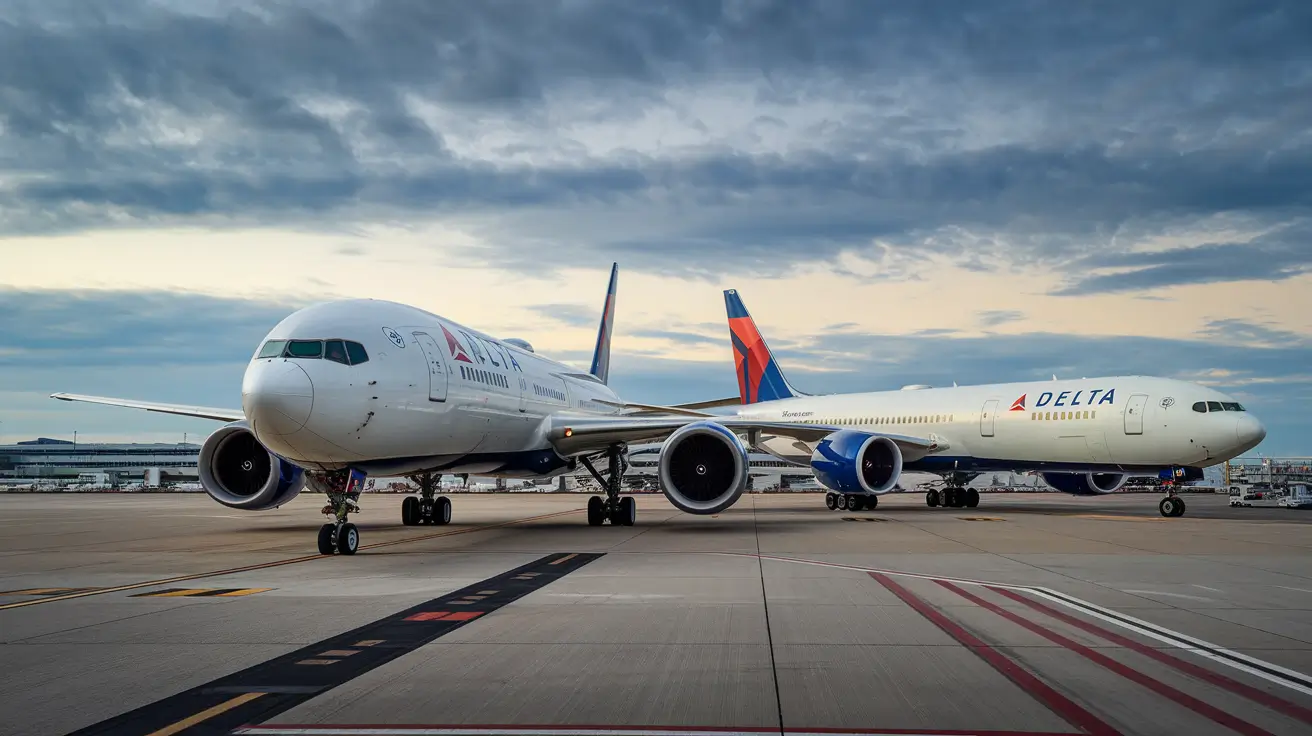
Delta Airlines, a titan in the aviation industry, is continually evolving its fleet to enhance passenger experience and operational efficiency. As the airline strategically retires older aircraft, a common question arises among travelers and aviation enthusiasts: what will Delta replace the 777 with? This inquiry delves into Delta's forward-thinking approach to fleet modernization, signaling a commitment to cutting-edge technology and superior comfort. Understanding these fleet changes is crucial for anyone looking to book Delta Airlines flights and maximize their travel value.
For those seeking to secure the best possible fares on Delta Airlines, proactive planning remains paramount. The airline's fare structures are dynamic, influenced by demand, seasonality, and booking windows, making early reservations often the most economical. By staying informed about Delta's fleet developments and booking strategies, travelers can ensure a smoother and more cost-effective journey. This guide aims to provide comprehensive insights into Delta's fleet future and practical tips for booking exceptional Delta Airlines deals.
Delta's 777 Replacement Strategy: An Overview
Delta Airlines is actively engaged in a comprehensive fleet renewal program, with the retirement of its Boeing 777-200ER aircraft being a significant component. This strategic move is driven by Delta's commitment to operating a more fuel-efficient, technologically advanced, and passenger-centric fleet. The airline is not simply replacing aircraft but is strategically upgrading its long-haul capabilities to meet evolving market demands and sustainability goals. Understanding this transition provides valuable context for frequent flyers and those planning international travel with Delta.
The question of "What will Delta replace the 777 with?" points to a broader trend of airlines phasing out older, less efficient wide-body jets in favor of newer models offering enhanced performance and passenger amenities. Delta's fleet modernization is designed to ensure it remains competitive on global routes, offering a superior travel experience. This proactive approach to fleet management directly impacts the quality and efficiency of Delta Airlines flights for its customers.
The Boeing 777 in Delta's Fleet
For many years, the Boeing 777-200ER served as a workhorse for Delta Airlines, particularly on its extensive international network. These aircraft, known for their range and capacity, were instrumental in connecting major global hubs and offering a comfortable long-haul experience. Delta operated a significant number of these twin-engine jets, which were a staple on routes across the Atlantic and Pacific oceans. Their presence facilitated Delta's global reach and its ability to serve diverse markets effectively.
The 777-200ER variant, specifically, was chosen by Delta for its robust performance characteristics, including its impressive range and payload capabilities. This allowed the airline to operate non-stop services to many far-flung destinations, a key factor in maintaining a competitive edge in international air travel. The reliability and proven track record of the 777 family made it a cornerstone of Delta's long-haul fleet for a considerable period. However, as with all aircraft, their operational lifespan eventually necessitates a transition to newer technologies.
Reasons Behind the Boeing 777 Retirement
The decision to retire the Boeing 777 fleet by Delta Airlines is multifaceted, primarily driven by economic and environmental considerations. Older aircraft, like the 777-200ERs, generally consume more fuel per passenger mile compared to their modern counterparts. This increased fuel burn translates directly into higher operating costs and a larger carbon footprint, factors that are increasingly scrutinized in the aviation industry. Delta's commitment to sustainability and cost efficiency necessitates a move towards more advanced, fuel-efficient models.
Beyond fuel efficiency, advancements in aircraft technology offer significant improvements in passenger comfort and onboard amenities. Newer aircraft are designed with updated cabin configurations, quieter cabins, and improved air filtration systems, all contributing to a better travel experience. Delta aims to leverage these technological leaps to differentiate its premium offerings and enhance the overall journey for all passengers. Furthermore, the maintenance costs associated with aging aircraft can escalate over time, making the transition to a newer fleet a financially prudent long-term strategy.
Potential Replacements for the 777
When considering "What will Delta replace the 777 with?", the focus shifts to the next generation of wide-body aircraft that offer superior performance, efficiency, and passenger appeal. Delta has been strategically investing in aircraft that align with its long-term vision for global connectivity and operational excellence. The primary candidates for replacing the Boeing 777 are modern variants from both Airbus and Boeing, each offering distinct advantages.
The airline's fleet strategy typically involves a mix of aircraft types to cater to different route lengths and market demands. This diversification allows for flexibility in network planning and ensures that Delta can optimize its capacity deployment. The selection of replacement aircraft is a complex process, weighing factors such as acquisition cost, operating economics, commonality with existing fleets, and passenger preference. Delta's choices reflect a careful balance of these critical elements.
The Airbus A350 Family: A Leading Contender
The Airbus A350 family of aircraft, particularly the A350-900 and the larger A350-1000, stands out as a primary contender to fill the void left by the Boeing 777s. Delta has already integrated a significant number of A350-900s into its fleet, and these aircraft have proven to be highly successful. The A350 boasts advanced composite materials, making it lighter and more fuel-efficient, which directly translates into lower operating costs and reduced environmental impact. Its modern design also offers a quieter cabin and a more comfortable passenger experience.
The A350-1000, with its increased capacity and extended range, is particularly well-suited to replace the longest-range variants of the 777. Delta's existing experience with the A350-900 provides a strong foundation for operating the -1000 variant, allowing for commonality in pilot training, maintenance, and spare parts. This strategic choice aligns with Delta's objective of operating a technologically advanced and efficient long-haul fleet. The A350's cabin flexibility also allows Delta to configure it with its latest premium products, such as Delta One suites and Comfort+ seating.
The Boeing 787 Dreamliner's Role
While the Airbus A350 is a strong candidate, the Boeing 787 Dreamliner also plays a crucial role in Delta's fleet modernization and serves as a potential complement or successor to certain 777 missions. Delta operates both the 787-8 and 787-9 variants, which are renowned for their fuel efficiency, passenger comfort features like larger windows and higher cabin humidity, and advanced technology. The Dreamliner's capabilities make it an excellent choice for medium to long-haul routes where its efficiency can be fully leveraged.
The 787 family offers a slightly different capacity and range profile compared to the A350, allowing Delta to strategically deploy them on routes where they offer the best economic and operational fit. The commonality in pilot training and maintenance between the 787 and other Boeing aircraft in Delta's fleet, such as the 737 and 767, can also provide operational synergies. Thus, the 787 Dreamliner is an integral part of Delta's strategy to refresh its long-haul fleet, contributing to its overall goal of operating one of the youngest and most efficient fleets in the industry.
Other Fleet Modernization Efforts by Delta
Delta's fleet transformation extends beyond just the long-haul wide-body segment. The airline is continuously evaluating and upgrading its entire fleet, including narrow-body aircraft and regional jets. This holistic approach ensures that Delta maintains a modern, efficient, and passenger-friendly fleet across all its operations. For instance, Delta has been a significant customer for the Airbus A321neo and A330neo families, further enhancing its efficiency and capacity on various routes.
These ongoing investments in new aircraft are crucial for Delta to remain competitive in a dynamic global market. The airline's commitment to fleet renewal underscores its dedication to providing a superior travel experience, reducing its environmental impact, and optimizing operational costs. This forward-looking strategy ensures that Delta Airlines flights continue to be a preferred choice for travelers seeking comfort, reliability, and value. The continuous influx of new aircraft also means that passengers can increasingly expect modern cabin interiors and advanced in-flight entertainment systems.
Impact on Passenger Experience and Comfort
The replacement of the Boeing 777 with newer aircraft like the Airbus A350 and Boeing 787 has a profound positive impact on the passenger experience. These modern aircraft are designed with passenger well-being as a priority, featuring advanced cabin air systems that provide cleaner air and higher humidity levels, reducing the effects of jet lag. The cabins are also engineered to be significantly quieter, creating a more serene environment for travelers on long journeys.
Furthermore, the seating configurations in these new aircraft often include Delta's latest premium products, such as the Delta One Suites, which offer private, enclosed spaces for business class passengers, and enhanced Comfort+ seating with more legroom and dedicated service. Even in the Main Cabin, passengers benefit from updated seat designs, larger overhead bins, and improved in-flight entertainment systems with higher resolution screens and more content. These upgrades collectively elevate the overall comfort and enjoyment of Delta Airlines flights.
Tips for Booking Delta Airlines Flights
Securing the best fares for Delta Airlines flights requires a strategic approach, especially for those looking to travel economically. A key strategy is to book well in advance, as prices tend to increase closer to the departure date. For domestic travel, aiming to book 3-4 weeks prior to your flight can often yield significant savings. International routes typically require an even longer booking window, with 2-3 months being an optimal period to find competitive rates.
Flexibility with travel dates and times can also lead to substantial savings on Delta Airlines flights. Flying mid-week, such as on Tuesdays or Wednesdays, is often cheaper than flying on weekends or Mondays. Additionally, consider flying during the shoulder seasons or off-peak times, as demand is lower, leading to more favorable pricing. Utilizing fare alerts and monitoring price fluctuations can help you identify the opportune moment to purchase your tickets for the best value.
For travelers actively seeking savings, exploring available options is crucial. You can discover excellent opportunities by looking into Delta Airlines deals. These specialized pages often aggregate discounted fares and promotions, making it easier to find affordable flights. By combining advance booking with flexible dates and a keen eye for special offers, you can significantly reduce the cost of your Delta travel.
Understanding Delta Fare Classes
Delta offers a variety of fare classes designed to cater to different traveler needs and budgets, from the most economical Main Cabin to the luxurious Delta One suites. Understanding these classes is fundamental to making informed booking decisions and managing expectations for your Delta Airlines flights. The Main Cabin provides standard seating and service, representing the most accessible option for most travelers. Within the Main Cabin, fare types like Basic Economy offer the lowest prices but come with restrictions on seat selection and changes.
Moving up, Delta Comfort+ offers a more premium experience within the economy cabin, featuring up to three additional inches of legroom, dedicated overhead bin space, and priority boarding. First Class, available on domestic and some international routes, provides wider seats, enhanced meal service, and more attentive service. The pinnacle of Delta's offerings is Delta One, which features fully lie-flat seats, premium dining, and exclusive lounge access, designed for the ultimate in long-haul comfort and productivity.
Maximizing Delta SkyMiles Rewards
Delta SkyMiles is the airline's loyalty program, offering members numerous ways to earn and redeem miles for flights, upgrades, and other travel-related benefits. To maximize your SkyMiles earnings, consider obtaining a Delta SkyMiles American Express card, which offers significant bonus miles on sign-up and for everyday spending. These co-branded credit cards often provide perks like free checked bags and priority boarding, further enhancing your travel experience on Delta Airlines flights.
Earning miles extends beyond credit card spending; flying with Delta and its partner airlines, booking hotels, and renting cars through SkyMiles partners all contribute to your mileage balance. Strategically redeeming your miles for award flights, especially during off-peak periods or when Delta offers limited-time promotions, can provide excellent value. Always compare the cash price of a ticket against the mileage redemption cost to ensure you are getting the best possible deal for your travel plans.
Delta Baggage Policy Insights for 2025-26
Navigating Delta's baggage policies is essential for a smooth travel experience and to avoid unexpected fees. For 2025-26, Delta continues to offer one free checked bag for Medallion members and holders of certain Delta SkyMiles American Express cards on most domestic itineraries. For standard Main Cabin passengers on domestic flights, checked baggage fees typically apply, with the first bag costing more than the second.
International routes often have more generous baggage allowances, with many international fares including at least one checked bag at no additional cost. It is always advisable to check the specific baggage allowance for your fare class and destination on Delta's official website before your flight. Understanding these policies helps in packing efficiently and budgeting for your trip, ensuring no surprises when you check in for your Delta Airlines flights.
Popular Delta Destinations and Fleet Allocation
Delta Airlines operates an extensive global network, connecting passengers to popular destinations across North America, Europe, Asia, Latin America, and Africa. The airline strategically allocates its fleet to match demand and route requirements, meaning you're more likely to find newer aircraft like the A350 or 787 on its longest and most in-demand international routes. For example, transpacific routes from the West Coast to Asia or transatlantic routes from major U.S. hubs to London or Paris are prime candidates for these modern wide-body jets.
Shorter domestic routes or those with lower demand might see a mix of aircraft, including older but still capable wide-body jets or their newer narrow-body counterparts. Understanding fleet allocation can provide insights into the likely aircraft type you will fly, helping you anticipate the cabin experience. Delta's ongoing fleet renewal ensures that even on routes that previously utilized the 777, passengers will soon experience the benefits of newer, more advanced aircraft.
The Future of Long-Haul Travel with Delta
The retirement of the Boeing 777 marks a significant step in Delta's journey towards a more sustainable and passenger-focused future for long-haul travel. By investing in aircraft like the Airbus A350 and Boeing 787, Delta is prioritizing fuel efficiency, reduced emissions, and an enhanced onboard experience. This strategic shift ensures that Delta remains at the forefront of global aviation, offering competitive and comfortable journeys to its passengers worldwide.
The airline's continued commitment to fleet modernization signifies its dedication to long-term growth and operational excellence. Passengers can look forward to flying on some of the most advanced and comfortable aircraft in the sky. This evolution in Delta's fleet composition directly translates into a superior travel experience, reinforcing Delta Airlines flights as a premium choice for discerning travelers planning their next international adventure.
Delta Airlines Customer Service and Booking Assistance
Navigating the complexities of flight bookings, understanding fare options, and making informed decisions about your travel can sometimes be overwhelming. For personalized assistance and expert guidance on booking Delta Airlines flights, Rapido Air stands as a trusted partner. Our team of dedicated travel professionals is well-versed in Delta's offerings and can help you find the best available fares and itineraries tailored to your specific needs.
Whether you're looking for the most economical options or planning a premium travel experience, our agents can provide invaluable support. We are committed to ensuring that your booking process is seamless and that you secure the best possible value for your journey. To speak with a travel expert and receive dedicated assistance with your Delta Airlines reservations, please do not hesitate to call us.
For immediate assistance and to speak with a Delta Airlines booking specialist, please call us at (888) 427-9713. Our team is ready to help you plan your next trip with Delta, ensuring a smooth and enjoyable travel experience from start to finish. Let us help you find the perfect Delta Airlines deals and make your travel dreams a reality.
Conclusion: Delta's Fleet Evolution and Your Travel Plans
In conclusion, Delta Airlines is actively replacing its Boeing 777 fleet with more advanced and efficient aircraft, primarily the Airbus A350 family and the Boeing 787 Dreamliner. This strategic modernization is driven by a commitment to enhanced fuel efficiency, reduced environmental impact, and, most importantly, an elevated passenger experience. These new aircraft bring quieter cabins, improved air quality, and more comfortable seating options, significantly improving the quality of Delta Airlines flights.
For travelers planning their next journey, understanding these fleet changes offers valuable insight into the evolving standards of long-haul air travel. By staying informed about Delta's fleet developments and employing smart booking strategies, such as booking in advance and being flexible with dates, you can secure excellent value. Remember to explore all available options to find the best Delta Airlines deals for your upcoming trips.
Delta's proactive approach to fleet renewal ensures that it remains a leader in the aviation industry, offering passengers a superior travel experience. As you plan your future travels, consider the benefits of flying on Delta's modern fleet and leverage the tips provided to make your booking process as smooth and cost-effective as possible. Your next adventure with Delta promises to be more comfortable and efficient than ever before.