
What size are Delta seats?
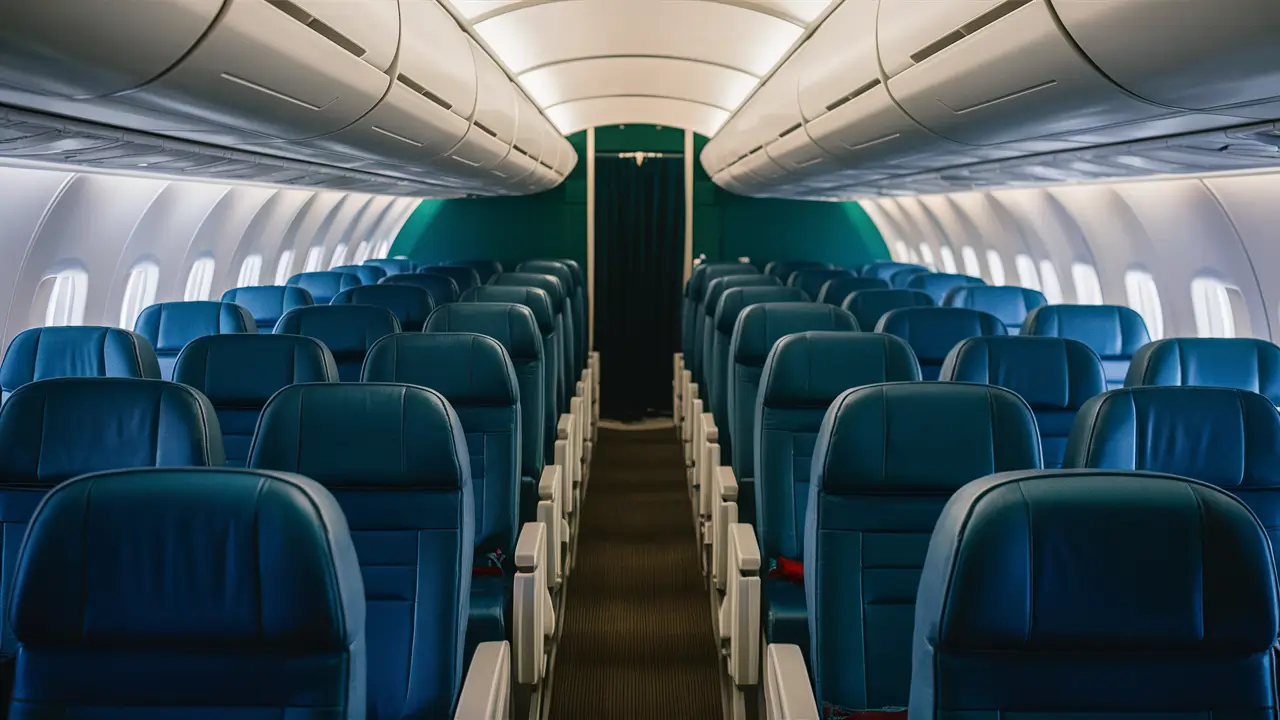
Securing comfortable seating on Delta Airlines flights is a paramount concern for many travelers, directly impacting the overall journey experience. Understanding the nuances of Delta's seat dimensions across different cabin classes and aircraft types empowers passengers to make informed booking decisions. This comprehensive guide delves into the specifics of Delta seat sizes, offering insights to help you choose the best seat for your next trip. We aim to provide actionable information that goes beyond surface-level descriptions, ensuring you know precisely what to expect when you fly with Delta.
Navigating the world of airline seating can be complex, with variations occurring even within the same airline based on fleet modernization and route demands. Delta Airlines, a leader in passenger experience, offers a spectrum of seating options designed to cater to diverse traveler needs and budgets. From the expansive legroom of Delta One to the efficient comfort of Main Cabin, each seat plays a role in your travel narrative. By examining seat width, pitch, and recline, we can paint a clear picture of what "Delta seat size" truly entails.
Delta Seat Dimensions Overview
The fundamental dimensions of Delta airline seats, including width and pitch, are critical factors influencing passenger comfort on any flight. Seat width, typically measured from armrest to armrest, dictates the personal space allocated to each traveler, while seat pitch, the distance between rows, determines legroom. Delta Airlines strives to balance these dimensions across its fleet to provide a generally satisfactory experience, though variations are inevitable due to aircraft design and cabin configuration.
Understanding these core metrics is the first step in assessing seat suitability for your specific needs and preferences. While Delta's published specifications offer a baseline, real-world comfort can also depend on seat design, padding, and the location of tray tables or entertainment systems. This overview will set the stage for a deeper dive into the specifics of each cabin class and aircraft type.
What are Delta Seat Widths?
Delta's seat widths generally range from approximately 17 inches in Main Cabin to over 20 inches in premium cabins, offering a tangible difference in personal space. This measurement is crucial as it defines how much room you have side-to-side, a key factor for comfort, especially on longer journeys. While these figures are averages, they provide a solid reference point for comparison across different seating options.
For instance, a wider seat can significantly alleviate feelings of being cramped, particularly for passengers who are broader or prefer more personal territory. Delta's commitment to passenger comfort is reflected in its efforts to maintain competitive seat widths, though it's always wise to check specific aircraft details when possible. The armrests themselves also contribute to perceived width, with some featuring movable sections that can offer additional flexibility.
Understanding Seat Pitch on Delta
Seat pitch, the distance from one point on a seat to the same point on the seat in front, is perhaps the most critical dimension for legroom. Delta Airlines typically offers seat pitches ranging from around 30-31 inches in Main Cabin to 34-36 inches in Comfort+ and significantly more in Delta One suites. This difference of several inches can dramatically affect how comfortably you can stretch your legs, especially for taller passengers.
A generous seat pitch allows for greater flexibility in movement, reducing stiffness and improving rest during flights. Delta's strategic allocation of pitch across its cabins is a key differentiator, with Comfort+ and premium cabins explicitly designed to offer enhanced legroom. Even within Main Cabin, variations exist, making it beneficial to research specific flight configurations.
Seat Recline and its Impact
While width and pitch are static measurements, seat recline offers dynamic comfort, allowing passengers to adjust their seating position for relaxation or sleep. Delta's Main Cabin seats generally offer a modest recline, often around 2-3 inches, sufficient for a slight shift in posture. Premium cabins, however, provide more substantial recline capabilities, enhancing the overall sense of luxury and comfort.
It's important to note that recline is sometimes limited on shorter flights or on certain aircraft types to ensure passenger convenience and safety. Furthermore, the amount of recline can also be influenced by the seat's position in the cabin, with bulkhead or exit row seats often having restricted or no recline. Understanding these limitations helps manage expectations and avoid potential disappointment.
Main Cabin Comfort and Dimensions
Delta's Main Cabin represents the standard seating experience, designed to be efficient yet comfortable for the majority of passengers on domestic and international routes. Here, seat dimensions are optimized to maximize capacity while still adhering to Delta's commitment to passenger well-being. Understanding these specifications is key for travelers seeking to gauge their comfort level on standard fares.
The Main Cabin is where most travelers will find themselves, and Delta aims to make this experience as pleasant as possible within industry norms. While it may not offer the expansive space of premium cabins, careful attention to seat design and layout contributes to a functional and generally agreeable journey. We will explore the typical dimensions and features found in this ubiquitous cabin class.
Typical Main Cabin Seat Width
On most Delta aircraft, the seat width in Main Cabin typically falls within the range of 17 to 17.5 inches. This measurement is taken between the armrests, providing a standard personal space for passengers. While this might seem narrow to some, it is a common dimension across the airline industry for standard economy seating.
Delta has made efforts to ensure that even within this standard width, the seat design promotes comfort through ergonomic considerations. The armrests themselves are often padded and can sometimes be raised for added flexibility, particularly when the middle seat is unoccupied. For passengers who are accustomed to wider seating, it's advisable to consider options like Delta Comfort+ if available.
Main Cabin Seat Pitch Expectations
The seat pitch in Delta's Main Cabin generally ranges from 30 to 31 inches. This measurement dictates the legroom available, and it's a crucial factor for taller passengers or those who simply prefer more space to stretch out. While 30-31 inches is standard, slight variations can occur depending on the specific aircraft model and its configuration.
For example, on newer aircraft or those that have undergone refurbishment, Delta may have slightly adjusted pitch to optimize cabin layout. It's always a good practice to check the specific seat map for your flight when booking, as some seats within Main Cabin might offer a bit more or less pitch than the average. Understanding this can help you select a seat that best suits your legroom needs.
Seat Recline in Main Cabin
Delta's Main Cabin seats typically offer a modest recline, usually around 2 to 3 inches, allowing for a slight adjustment to a more relaxed position. This recline is designed to provide a degree of comfort without significantly encroaching on the space of the passenger behind. While not as generous as premium cabins, it's generally sufficient for most travelers on shorter to medium-haul flights.
It's important to note that seats in the bulkhead rows or exit rows typically do not recline, as they are positioned to maximize space or egress. Additionally, on some very short routes or on certain aircraft, the recline might be limited or even locked for operational reasons. Always check the seat map for specific recline information on your chosen seat.
Delta Comfort+ for an Enhanced Experience
Delta Comfort+ offers a distinct upgrade from the standard Main Cabin, providing passengers with more legroom, dedicated overhead bin space, and priority boarding. This cabin class is designed to deliver a more comfortable and convenient travel experience without the full expense of premium fares. The enhanced dimensions and amenities make it a popular choice for travelers seeking a bit more space and service.
The key differentiator in Delta Comfort+ is the increased seat pitch, which significantly improves the feeling of spaciousness. Coupled with other perks, it represents a sweet spot for many travelers who value comfort but are mindful of budget. We will explore the specific seat dimensions and benefits that set Comfort+ apart from the Main Cabin.
Comfort+ Seat Pitch and Width
The most notable advantage of Delta Comfort+ is the expanded seat pitch, which typically measures between 34 to 36 inches. This increase of approximately 3-4 inches compared to Main Cabin provides considerably more legroom, making it ideal for taller passengers or those who simply desire more space to stretch out. The seat width generally remains similar to Main Cabin, around 17 to 17.5 inches, with the primary enhancement being the increased pitch.
This extra legroom can make a substantial difference on longer flights, reducing fatigue and increasing overall comfort. While the width is comparable, the additional space in front of you allows for more freedom of movement and a less confined feeling. Delta strategically places Comfort+ seats, often in the front sections of the main cabin, to maximize these benefits.
Additional Comfort+ Amenities
Beyond the enhanced seat pitch, Delta Comfort+ passengers enjoy several other amenities that elevate the travel experience. These include dedicated overhead bin space, ensuring easier access to carry-on luggage, and priority boarding, allowing you to settle into your seat and stow your belongings before the rush. This combination of space and convenience contributes significantly to a more relaxed journey.
Furthermore, passengers in Comfort+ often receive complimentary premium snacks and beverages, including beer, wine, and spirits, adding to the value proposition. These thoughtful additions, combined with the extra legroom, make Delta Comfort+ a compelling option for those seeking a more comfortable flight without the premium price tag. The overall effect is a smoother, more enjoyable travel day.
First Class and Delta One: Premium Seating
Delta's premium cabin offerings, First Class and Delta One, are designed to provide the utmost in comfort, luxury, and service. These cabins feature significantly larger seats with greater width, pitch, and advanced recline capabilities, often transforming into fully lie-flat beds in Delta One suites. The experience in these classes is a stark contrast to Main Cabin, catering to travelers who prioritize an elevated journey.
First Class is typically found on domestic and short-haul international routes, offering a more spacious and premium experience than Main Cabin. Delta One, however, is Delta's flagship international business class product, featuring fully enclosed suites on many long-haul aircraft, providing unparalleled privacy and comfort. Understanding the distinct offerings of each is crucial for selecting the ultimate travel experience.
Delta First Class Dimensions
Delta's First Class seats, primarily featured on domestic routes, offer a noticeable upgrade in space and comfort. Seat width typically ranges from 20 to 21 inches, providing ample room for passengers to relax. The seat pitch is also significantly increased, usually around 36 to 38 inches, allowing for generous legroom and a more comfortable seating experience.
These seats often feature enhanced padding, larger tray tables, and greater recline capabilities compared to Main Cabin. The overall design prioritizes passenger comfort for shorter to medium-duration flights, making the journey more enjoyable. While not fully lie-flat, the improved dimensions and amenities create a distinctly premium feel.
Delta One Suites and Lie-Flat Beds
Delta One represents the pinnacle of Delta's in-flight experience, especially on long-haul international routes, where it often features fully enclosed suites. These suites boast exceptional seat dimensions, with widths commonly exceeding 21 inches and pitches that allow for seats to convert into fully lie-flat beds. The focus here is on providing a private, comfortable, and restful environment for extended journeys.
The lie-flat capability is a game-changer for long-haul travel, enabling passengers to sleep soundly and arrive at their destination feeling refreshed. The suites themselves offer ample personal space, sophisticated amenities, and a level of privacy rarely found in air travel. Delta One is engineered for the discerning traveler who seeks the ultimate in comfort and convenience at 30,000 feet.
Premium Cabin Seat Recline and Features
In First Class and Delta One, seat recline is substantially more generous, allowing for a more relaxed posture and improved sleep. First Class seats offer a deeper recline, while Delta One suites often convert into fully flat beds, providing an unparalleled sleeping experience. These advanced recline functionalities are complemented by features like adjustable lumbar support, footrests, and ample personal storage.
The design of these premium seats considers every aspect of passenger comfort, from the materials used to the ergonomic contours. Tray tables are often larger and more stable, ideal for dining or working. The overall aim is to provide a luxurious and highly personalized environment that makes even the longest flights feel manageable and enjoyable.
Aircraft-Specific Seat Variations
Delta Airlines operates a diverse fleet of aircraft, and seat dimensions can vary significantly from one model to another, even within the same cabin class. Factors such as the age of the aircraft, its intended routes, and recent refurbishments all play a role in determining the exact seat width, pitch, and recline available. This variability underscores the importance of checking specific flight details when planning your trip.
Understanding these differences is crucial for setting accurate expectations and making informed seat selection choices. For instance, a Boeing 737 might have slightly different Main Cabin dimensions than an Airbus A320, and long-haul wide-body jets like the A350 or 777 will feature distinct premium cabin configurations. We will explore some common aircraft types and their typical seat layouts.
Wide-Body Jets (A330, A350, 777, 767)
Delta's wide-body aircraft, such as the Airbus A330, A350, Boeing 777, and 767, are primarily used for long-haul international routes and thus feature more premium seating options. In Delta One, these jets often boast fully lie-flat suites with generous seat widths, typically exceeding 21 inches, and pitches that allow for complete bed conversion. The Main Cabin on these aircraft also tends to offer slightly more pitch, often around 31-32 inches, compared to some narrow-body jets.
The configurations on these larger planes are designed for extended comfort, with dedicated galleys and lavatories for premium classes. Even the Main Cabin on wide-bodies can feel more spacious due to the broader fuselage, though seat pitch remains a primary determinant of legroom. These aircraft are engineered to provide a superior long-haul experience.
Narrow-Body Jets (B737, A320, A321)
Narrow-body aircraft like the Boeing 737, Airbus A320, and A321 are the workhorses for Delta's domestic and shorter international routes. In these planes, Main Cabin seat width typically hovers around 17 to 17.5 inches, with pitch generally falling between 30 and 31 inches. First Class cabins on these aircraft offer improved dimensions, with widths around 20-21 inches and pitches of 36-38 inches.
Delta has been actively updating its narrow-body fleet, introducing newer configurations that may offer slightly different seat dimensions or features. For example, some newer A321neo aircraft might have updated cabin interiors with optimized seating. It is always advisable to consult the seat map for the specific aircraft assigned to your flight to get the most accurate information.
Regional Jets and Embraer E-Jets
Delta Connection carriers operate a significant number of regional jets, including Embraer E-Jets and Bombardier CRJ series aircraft, on shorter routes connecting smaller cities. These smaller aircraft often have more compact seating arrangements. Main Cabin seat width on these jets can be as narrow as 16.5 inches, with pitches often around 29-30 inches, representing the most constrained seating experience within Delta's network.
While these regional flights are typically shorter, the reduced seat dimensions can be noticeable. Some regional jets may offer a small First Class cabin, which provides an upgrade in space and comfort over the standard economy seating. Passengers flying on these routes should be aware of the potential for tighter quarters and plan accordingly.
Tips for Maximizing Seat Comfort
Even with standard seat dimensions, several strategies can significantly enhance your comfort on Delta Airlines flights. Proactive planning, smart packing, and mindful in-flight practices can make a substantial difference, transforming a potentially cramped journey into a more pleasant experience. These tips are applicable across all cabin classes, helping you make the most of the space available.
By implementing these recommendations, you can mitigate common discomforts associated with air travel and arrive at your destination feeling more rested and relaxed. From selecting the right seat to managing your personal space, every detail contributes to a better flight. Let's explore actionable advice to optimize your seating comfort.
Strategic Seat Selection
Choosing your seat wisely is paramount to maximizing comfort. Seats in exit rows offer extra legroom, though they may lack under-seat storage and cannot be reclined. Seats towards the front of Main Cabin or in bulkhead rows can also provide more space, but be aware that bulkhead seats often have immovable armrests and tray tables. Utilizing Delta's seat map during booking allows you to visualize available options and their specific characteristics.
When selecting a seat, consider your personal needs: are you tall and require more legroom, or do you prefer easy access to the lavatory? For window seats, ensure the seat is not directly over a wing, which can sometimes lead to a slightly less optimal view or a noisier experience. For aisle seats, be mindful of proximity to galleys or lavatories, which can experience more foot traffic.
Packing Smart for Comfort
Efficient packing can significantly improve your in-seat experience by ensuring you have necessary comfort items readily accessible without cluttering your space. Pack essentials like a neck pillow, blanket, headphones, and any medications in your personal item or the seatback pocket. Avoid overpacking your carry-on bag, as this can lead to cramped legroom if stored at your feet.
Consider bringing a compact footrest or lumbar support pillow if you have specific comfort needs. Compression socks are also highly recommended for long flights to improve circulation and reduce swelling. By thoughtfully organizing your belongings, you can maintain a more comfortable and organized personal space throughout the flight.
In-Flight Comfort Hacks
During the flight, simple actions can enhance your comfort. Stay hydrated by drinking plenty of water and avoiding excessive alcohol or caffeine, which can lead to dehydration and discomfort. Get up and walk the aisle periodically to stretch your legs and improve circulation, especially on longer journeys. Utilize the adjustable air vents above your seat to control your personal climate.
If your seatmate is encroaching on your space, a polite conversation can often resolve the issue amicably. For entertainment, consider downloading movies or podcasts beforehand, as in-flight Wi-Fi can be unreliable or costly. By actively managing your environment and well-being, you can significantly improve your seated comfort.
Booking Delta Flights Smartly
Securing the best possible seat and fare on Delta Airlines involves strategic booking practices and an understanding of Delta's pricing and availability dynamics. By timing your booking appropriately and leveraging available tools, you can optimize both your budget and your in-flight comfort. Knowledge of Delta's fare classes and upgrade opportunities can also lead to a more advantageous travel experience.
The airline industry is highly competitive, and Delta consistently offers various ways for travelers to find value. Whether you're looking for the lowest fares or aiming for an upgrade, a smart approach to booking can yield significant benefits. This section will guide you through effective strategies for booking Delta flights.
Best Times to Book Delta Flights
For domestic Delta flights, booking 1-3 months in advance typically yields the best fares, with prices tending to increase significantly in the final weeks before departure. International flights generally require an earlier booking window, often 2-6 months out, to capture competitive pricing. Tuesdays and Wednesdays are often cited as the best days to search for deals, as airlines may release new fare sales early in the week.
Monitoring fare trends using flight comparison tools and setting up price alerts can also be highly effective. Delta's dynamic pricing means fares can fluctuate based on demand, seasonality, and day of the week. Patience and consistent monitoring are key to snagging the most advantageous rates.
Understanding Delta Fare Classes
Delta utilizes various fare classes, denoted by letters, which determine the flexibility, upgrade eligibility, and mileage accrual for your ticket. For example, 'Y' is a full-fare economy ticket, while 'V' or 'X' might be discounted economy fares with restrictions. Understanding these classes can help you identify the most cost-effective option that still meets your travel needs.
Different fare classes also impact your ability to make changes to your booking or to be considered for complimentary or paid upgrades. Basic Economy fares, for instance, come with the most restrictions, including no seat selection in advance and no changes allowed. Familiarizing yourself with these distinctions is crucial for making an informed purchase.
Leveraging Delta SkyMiles
Delta SkyMiles can be a valuable currency for securing better seats or even upgrading your travel experience. Award tickets booked with SkyMiles can sometimes offer better value, especially during peak travel times when cash fares are high. You can also use SkyMiles to upgrade your seat from Main Cabin to Comfort+, First Class, or even Delta One, depending on availability and the number of miles redeemed.
Consider earning SkyMiles through Delta co-branded credit cards, partner airlines, or shopping portals. Regularly check the SkyMiles offers and promotions page for opportunities to earn bonus miles or redeem them for discounted travel. Strategic use of SkyMiles can significantly enhance your travel budget and comfort.
Finding Delta Airlines Deals
To find the best value on your next trip, exploring available Delta Airlines deals is essential. Delta frequently offers promotions on various routes, especially during off-peak seasons or for specific destinations. Staying informed about these special offers can lead to substantial savings, allowing you to allocate more budget towards in-flight comfort or other travel expenses.
By actively seeking out these opportunities, travelers can significantly reduce the cost of their flights, making premium seating options more accessible. Many travel websites and Delta's own promotions page highlight these deals, making it easier to discover savings. For those looking to maximize their travel budget, consistently checking for these offers is a wise strategy.
Delta Airlines Customer Service Assistance
Navigating the complexities of Delta Airlines bookings, seat selections, and upgrade options can sometimes require personalized assistance. Delta's customer service team is available to help address specific inquiries, resolve issues, and provide guidance on making the most of your travel plans. Whether you have questions about seat dimensions, baggage policies, or flight changes, their representatives are equipped to assist.
For travelers seeking expert advice and streamlined booking processes, Rapido Air serves as an authorized travel partner. Our team is dedicated to providing comprehensive support, ensuring you find the best flights and seats that meet your needs and budget. We understand the intricacies of airline travel and are committed to making your booking experience as smooth as possible.
If you require immediate assistance or wish to discuss your travel plans with a knowledgeable agent, our dedicated team is ready to help. We can guide you through seat selection, explore upgrade possibilities, and answer any questions you may have about your upcoming Delta Airlines journey. Our goal is to ensure you have all the information and support necessary for a comfortable and enjoyable flight.
To speak directly with a Delta Airlines specialist who can assist with reservations, seat upgrades, or any other travel-related query, please do not hesitate to call us. Our friendly and efficient customer service line is available to provide you with the support you need. You can reach us at (888) 427-9713 for personalized assistance and to ensure your Delta flight experience is exceptional.
Conclusion
Understanding Delta Airlines seat sizes is fundamental to planning a comfortable and enjoyable journey, whether you're flying in Main Cabin or indulging in the premium offerings. From seat width and pitch to recline capabilities, each dimension plays a crucial role in your overall travel experience. By arming yourself with this knowledge, you can make more informed decisions when booking your next Delta flight.
Delta's commitment to passenger comfort is evident in the variations across its fleet and cabin classes, from the efficient Main Cabin to the luxurious Delta One suites. While standard dimensions provide a baseline, always remember to check specific aircraft configurations and utilize available tools for seat selection. Strategic booking and a proactive approach to comfort can significantly enhance your flight.
We encourage you to explore the various seating options available and to leverage resources like Delta's seat maps and our booking assistance services. By prioritizing comfort and making informed choices, you can ensure your travels with Delta Airlines are as pleasant and relaxing as possible. Safe travels and comfortable flights await!