
What is the best seat on a Delta plane?
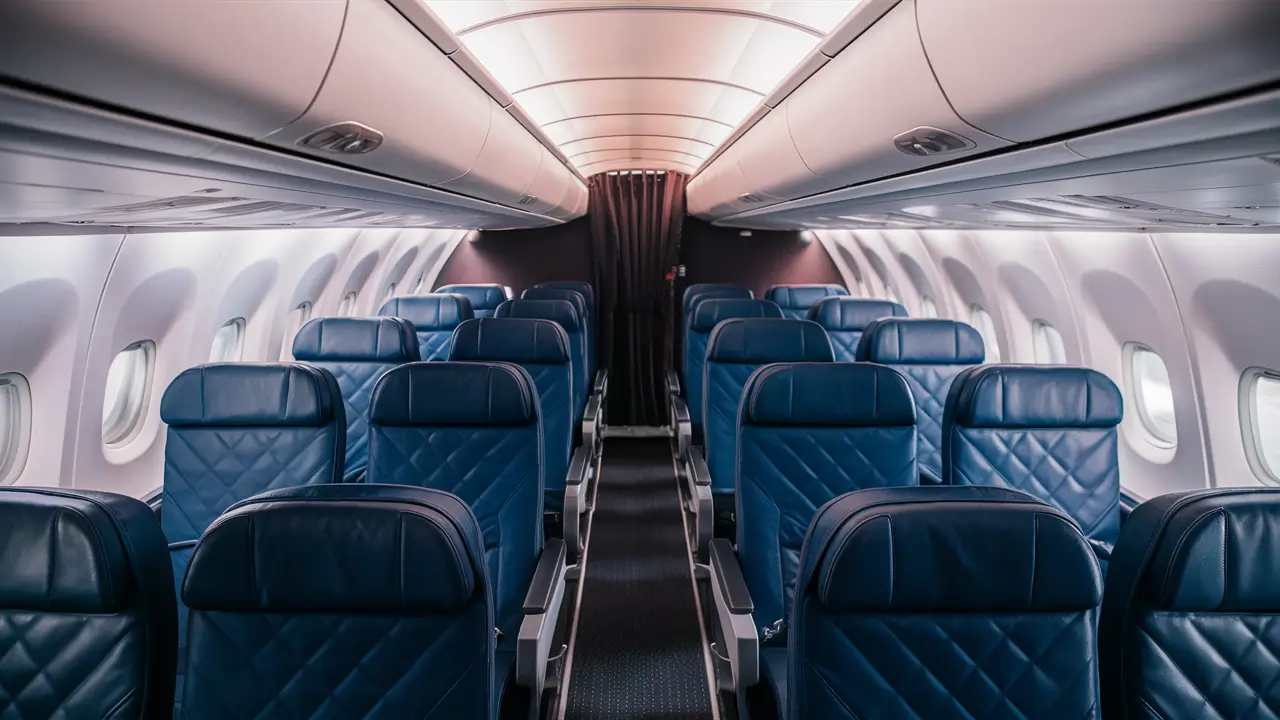
Navigating the vast landscape of air travel can often feel overwhelming, especially when aiming to secure the best possible experience for your journey. For discerning travelers who prioritize comfort, convenience, and value, Delta Airlines presents a compelling option, but the question of optimal seating remains paramount. Understanding the nuances of Delta's fleet and cabin configurations is key to unlocking a superior flight, transforming a routine trip into a memorable experience.
This comprehensive guide delves into the intricacies of Delta's aircraft and seating arrangements, offering expert insights to help you identify the best seat for your specific needs and preferences. We will explore how to leverage Delta's offerings, from premium cabins to strategic economy choices, ensuring your next flight is as comfortable and productive as possible. Prepare to gain the knowledge needed to make informed decisions that elevate your travel.
Understanding Delta's Fleet and Cabin Options
Determining the "best" seat on a Delta plane is a deeply personal decision, contingent upon individual priorities such as space, privacy, proximity to amenities, or simply the desire for a quiet journey. Delta operates a diverse fleet, ranging from smaller regional jets to wide-body international aircraft, each offering a unique configuration of cabins and seat types. Understanding these variations is the foundational step in making an informed choice that aligns with your travel expectations.
The airline categorizes its cabins into distinct tiers, each designed to cater to different traveler needs and budgets. These include the ultra-premium Delta One Suites, the luxurious First Class, the enhanced Delta Comfort+, and the standard Main Cabin. Within each cabin, specific seat locations can offer distinct advantages, such as extra legroom, enhanced recline, or a more secluded environment.
To truly pinpoint the best seat, one must consider the aircraft type, the length of the flight, and personal travel goals. For instance, a long-haul international flight might necessitate prioritizing a lie-flat seat in Delta One, whereas a short domestic hop might focus on maximizing legroom in the Main Cabin. This guide aims to demystify these choices, empowering you to select a seat that optimizes your Delta flight experience.
Delta One Suite and Premium Cabins: The Pinnacle of Comfort
For those seeking the ultimate in-flight luxury and privacy, Delta One Suites represent the zenith of Delta's premium offerings. These suites are designed as fully enclosed private spaces, featuring a lie-flat bed, direct aisle access for every passenger, and ample storage. The best seats in Delta One are generally considered to be those offering the most unobstructed space and proximity to lavatories without being directly adjacent to high-traffic areas.
On aircraft equipped with Delta One Suites, such as the Airbus A350 and select Boeing 777s, the forward-most suites often provide the most serene environment. Seats in the front rows, typically designated as 1A, 1D, 1G, and 1K, offer unparalleled privacy and immediate access to the cabin's amenities. Passengers in these suites can expect a personalized dining experience, premium amenity kits, and a dedicated flight attendant for attentive service.
When selecting a Delta One Suite, consider the specific layout of the aircraft, as some configurations might place certain seats closer to galleys or lavatories. While all Delta One Suites offer exceptional comfort, those positioned away from these high-activity zones tend to provide a more tranquil atmosphere. Researching the exact seat map for your specific flight is crucial for making the most advantageous selection within this elite cabin.
Beyond the suites, Delta's other premium cabin offerings, like Delta Premium Select on international routes, also provide significant upgrades over standard seating. These seats typically offer more legroom, wider seats, a deeper recline, and enhanced service, making them an excellent choice for travelers who want a more comfortable journey without the full expense of Delta One. The best seats in Delta Premium Select often mirror the logic of Delta One: forward-facing, away from galleys and lavatories, and offering a balance of space and quiet.
Delta Premium Select Advantages
Delta Premium Select is strategically positioned between Delta Comfort+ and Delta One, offering a compelling blend of comfort and value for international travel. Passengers in this cabin enjoy dedicated check-in lines, priority boarding, and a more upscale dining experience compared to Main Cabin. The seats themselves are wider, with increased pitch for substantial legroom, and a generous recline, often accompanied by a leg rest for enhanced relaxation.
The optimal seats within Delta Premium Select are typically those in the front rows of the cabin, providing unobstructed views and immediate access to the aisle. For instance, on a Boeing 767 configured with Delta Premium Select, seats like 4A, 4D, 4G, and 4K often present the best combination of space and quiet. These positions minimize the chance of disturbance from galley activity or lavatory usage, crucial for maximizing rest on long flights.
When reviewing the seat map, look for seats that are not directly next to the bulkhead or emergency exit rows, as these can sometimes have limitations on under-seat storage or may experience more foot traffic. The goal is to secure a seat that maximizes personal space and minimizes potential disruptions, ensuring a truly premium experience.
First Class and Delta Comfort+: Enhanced Experiences
For domestic and short-haul international flights, Delta First Class offers a significant upgrade from the Main Cabin, providing a more spacious and comfortable environment. While not lie-flat suites, First Class seats typically feature wider seats, more legroom, and a greater recline, along with enhanced meal and beverage service. The best seats in Delta First Class are often those in the very front row, offering maximum legroom and a sense of exclusivity.
On most Delta aircraft, the First Class cabin is located at the front of the plane. Seats in the bulkhead row, if available and suitable for your needs, can offer excellent legroom, but may have limitations on under-seat storage. Conversely, seats closer to the aisle in the front rows often provide a good balance of space and convenience, allowing for easy boarding and disembarking.
Delta Comfort+ represents an excellent middle ground, offering more legroom, priority boarding, and complimentary premium drinks compared to the Main Cabin, all at a modest upgrade cost. The best seats in Delta Comfort+ are generally those in the front rows of the main cabin, as these provide the most legroom and are among the first to board. Additionally, exit row seats within the Comfort+ section can offer exceptional legroom, though they come with specific safety responsibilities.
When selecting a Delta Comfort+ seat, pay close attention to the aircraft's configuration; some planes have an extended legroom section at the very front of the Main Cabin, which is essentially Delta Comfort+. Identifying these specific rows on the seat map is key to maximizing your legroom investment. Furthermore, seats near the front of the Comfort+ section often benefit from quicker service and less cabin disturbance.
First Class Seat Selection Tips
Within Delta First Class, the best seats are often found in the first few rows, particularly those offering unobstructed legroom and easy aisle access. For example, on a Boeing 737-900ER, seats 1A and 1D are highly coveted for their generous space and proximity to the front galley, though this can sometimes mean more foot traffic. It is always advisable to check the specific seat map for your flight, as layouts can vary even within the same aircraft model.
Seats in the front row of the First Class cabin, often labeled as row 1, typically provide the most legroom due to the absence of a seat in front. However, these bulkhead seats may have fixed armrests and limited under-seat storage, which could be a consideration for some travelers. The aisle seats in the first row, such as 1D on many configurations, offer a great balance of space and convenience.
When reviewing the seat map, avoid seats immediately adjacent to the lavatories or galleys, as these can be noisy and experience increased passenger flow. While First Class is generally quieter than the Main Cabin, strategic placement can still enhance your overall comfort and tranquility. Prioritizing seats in the front section, away from high-traffic areas, is a reliable strategy for securing a superior First Class experience.
Delta Comfort+ Seat Selection Tips
Delta Comfort+ seats are strategically located at the front of the Main Cabin, offering enhanced legroom and priority boarding. The prime real estate within this section is typically the very first row of the Main Cabin, which often provides bulkhead space and extra legroom, effectively functioning as an extension of Delta Comfort+. These seats are highly sought after for their generous pitch, allowing for a more comfortable journey, especially on longer flights.
When selecting a Delta Comfort+ seat, look for those situated towards the front of the cabin, as these generally offer the most benefits. Seats in rows immediately behind the bulkhead, often designated as exit rows or simply having increased pitch, are also excellent choices. These provide ample space to stretch out, which is invaluable on flights exceeding a few hours.
It's important to note that while exit row seats offer significant legroom, they may have fixed armrests and require passengers to be able to assist in an emergency. Always review the specific seat features on the Delta seat map to ensure it meets your comfort and accessibility needs. By carefully selecting your seat within Delta Comfort+, you can significantly enhance your travel experience without the premium price tag of First Class.
Main Cabin: Strategic Seating for Value and Comfort
For budget-conscious travelers or those on shorter journeys, the Main Cabin offers the most accessible way to fly Delta, and even within this section, strategic seating can make a substantial difference. The "best" seat in the Main Cabin often translates to maximizing legroom, securing a window or aisle preference, or avoiding potential disturbances. Understanding the layout of different aircraft and common seating pitfalls is key to optimizing your Main Cabin experience.
Key areas to consider in the Main Cabin include the exit rows, which provide significantly more legroom, and the bulkhead rows, which offer unobstructed leg space but may have fixed armrests. Seats towards the front of the Main Cabin are often preferred for quicker boarding and deplaning, as well as being further from the lavatories and galleys. Conversely, seats at the very rear of the aircraft can sometimes be noisier due to proximity to engines and higher passenger traffic around restrooms.
When choosing a Main Cabin seat, always consult the aircraft's specific seat map, available on Delta's website or through third-party tools. These maps detail seat pitch, width, and recline, along with potential obstructions or proximity to cabin amenities. By carefully analyzing these details, you can avoid common discomforts and select a seat that offers the best possible value and comfort within the Main Cabin.
Exit Row Advantages and Considerations
Exit row seats are highly coveted in the Main Cabin due to their exceptionally generous legroom, providing ample space to stretch out. These seats are located adjacent to emergency exits, offering a significant advantage for taller passengers or anyone who values extra room to move. The increased pitch allows for a much more comfortable experience, particularly on longer flights where space is at a premium.
However, it is crucial to understand the responsibilities associated with occupying an exit row seat. Passengers must be willing and able to assist in the event of an emergency, which includes opening the exit door if instructed. Furthermore, these seats typically have fixed armrests, which can reduce the overall seat width, and under-seat storage is usually not permitted during taxi, takeoff, and landing for safety reasons.
Despite these considerations, for many travelers, the unparalleled legroom offered by exit row seats outweighs the potential drawbacks. It is always recommended to check the specific seat map for your flight to confirm the exact configuration and any potential limitations. Booking these seats early is essential, as they are often among the first to be assigned or selected.
Bulkhead Seating in Main Cabin
Bulkhead seats, typically found at the very front of the Main Cabin or behind premium cabin dividers, offer a unique advantage: unobstructed legroom. This means there is no seat in front of you, allowing for an open space to extend your legs fully. This can be particularly beneficial for passengers who are tall or simply prefer not to have their legroom encroached upon by the seat in front.
However, bulkhead seats come with their own set of considerations that travelers should be aware of. The armrests in these seats are often fixed, which can make the seat feel narrower than standard seats. Additionally, due to safety regulations, under-seat storage is typically not allowed during taxi, takeoff, and landing, meaning all carry-on items must be stowed in the overhead bins.
Despite these potential limitations, the extended legroom provided by bulkhead seats can significantly enhance comfort on longer flights. It is always wise to consult the specific seat map for your flight to understand the exact configuration and any potential trade-offs. For many, the benefit of unrestricted leg space makes bulkhead seats a preferred choice within the Main Cabin.
Avoiding Undesirable Main Cabin Seats
Certain seats in the Main Cabin are generally best avoided if comfort and a peaceful journey are your priorities. Seats located directly next to lavatories are often subject to high foot traffic, noise, and lingering odors, which can detract from the overall experience. Similarly, seats in the very last row of the plane can be noisy due to engine proximity and may experience more disturbances from passengers accessing restrooms.
Seats in the middle of a row, particularly in a 3-3 configuration common on many narrow-body jets, are often considered the least desirable by many travelers. This is due to the lack of immediate aisle access and the potential for being disturbed by seatmates on either side. If you prefer easy movement or are traveling with companions, middle seats can present challenges.
Another area to be mindful of are seats directly behind the bulkhead or exit rows. While these rows offer extra legroom, the seats immediately following them can sometimes have reduced recline or tray table functionality. Careful examination of the seat map will help you identify and avoid these potentially less comfortable positions within the Main Cabin.
Key Factors Influencing Your Seat Selection
The "best" seat is not a universal designation but rather a personalized choice influenced by several critical factors. Your primary objective for the flight—whether it's to sleep, work, or simply relax—will significantly shape your ideal seating preference. Understanding these personal needs is the first step in navigating Delta's seating options effectively.
Flight duration plays a pivotal role; a cross-country red-eye might demand a lie-flat seat or extra legroom, whereas a short hop might prioritize proximity to the gate or a window view. Consider also your physical needs, such as height, mobility requirements, or if you are traveling with young children, as these will dictate the most suitable seat types and locations.
Finally, your budget is a significant determinant. Delta offers a spectrum of seating options, from the premium Delta One to the economical Main Cabin. Balancing your desired comfort level with the cost is essential for making a practical and satisfying seating choice. Evaluating these factors collectively will guide you toward the seat that best fits your individual travel profile.
Personal Travel Priorities
Your individual travel priorities form the bedrock of selecting the optimal seat on any Delta flight. If your primary goal is to arrive at your destination well-rested, prioritizing a lie-flat seat in Delta One or ample recline in First Class becomes paramount. For business travelers aiming to maximize productivity, a seat with easy aisle access, ample power outlets, and a stable tray table is essential.
For leisure travelers, the focus might shift towards scenic views, with window seats being the preferred choice, or ease of movement, making aisle seats ideal. If you value quiet and minimal disturbance, selecting a seat away from galleys and lavatories, and potentially towards the front of the cabin, will be most beneficial. Understanding these personal preferences ensures your seating choice actively contributes to a positive travel experience.
Consider also your need for personal space; if you dislike feeling cramped, opting for seats with extra legroom, such as those in Delta Comfort+ or exit rows, will be a wise decision. By clearly defining what matters most to you for this specific journey, you can filter through Delta's extensive seating options with greater clarity and confidence.
Flight Duration and Time of Day
The length of your flight is a critical determinant in choosing the best seat, directly impacting the level of comfort required. For ultra-long-haul international routes, typically exceeding 10-12 hours, the ability to sleep comfortably is paramount, making lie-flat seats in Delta One or spacious premium cabins the most desirable options. Investing in such seating can transform a grueling journey into a restful prelude to your destination.
On medium-haul flights, ranging from 4 to 8 hours, enhanced legroom and recline become increasingly important. Seats in Delta Comfort+ or strategically chosen Main Cabin seats with extra pitch, like exit rows, can significantly improve comfort. For shorter flights, under 3 hours, the impact of seat selection on comfort is less pronounced, but aisle or window preferences may still enhance the experience.
The time of day also influences seating preferences, especially for overnight flights. Passengers aiming to sleep will benefit from quieter cabin sections, away from galleys and lavatories, and potentially window seats for privacy. Daytime flights might see travelers prioritizing aisle access for frequent movement or proximity to amenities, making the overall journey more convenient.
Traveler Profile and Needs
Your personal traveler profile and specific needs are paramount when selecting the best seat on a Delta plane. Tall individuals, for instance, will find significant relief and comfort in exit row seats or bulkhead rows, which offer substantially more legroom than standard seats. Passengers with mobility issues may prefer aisle seats for easier access to and from their row, and proximity to lavatories.
Families traveling with infants or young children might seek seats with bassinet attachments (available in bulkhead rows on certain aircraft) or seats that allow for easier management of children and their belongings. Solo travelers might prioritize window seats for a sense of privacy and a view, or aisle seats for freedom of movement without disturbing others. Understanding these unique requirements ensures your seating choice supports a smoother and more enjoyable travel experience.
Furthermore, consider any specific health concerns or preferences. If you are prone to motion sickness, some studies suggest that seats over the wing or in the front of the aircraft may offer a smoother ride. By aligning your seating choice with your individual profile and needs, you can proactively address potential discomforts and enhance your overall journey.
Booking and Managing Your Seat Assignment
Securing your preferred seat on a Delta flight requires a proactive approach, beginning at the time of booking and extending through managing your reservation. Delta allows passengers to select seats during the booking process, with options varying based on fare type and SkyMiles status. Early booking is often the key to accessing the widest selection of available seats, especially desirable ones like exit rows or those in premium cabins.
For those who have already booked, Delta's website and mobile app provide a user-friendly interface to view and change your seat assignment, subject to availability. It's important to note that some fare types, particularly Basic Economy, have restrictions on advance seat selection, and assignments are often made at check-in. Elite SkyMiles members and holders of certain Delta co-branded credit cards often receive benefits like complimentary advance seat selection, even in Main Cabin.
Should your desired seat not be available initially, regular monitoring of your reservation is recommended. Seats can become available due to cancellations or changes made by other passengers, so checking back periodically, especially as the departure date nears, can yield opportunities. Delta also offers paid upgrades to premium seats at various stages, from booking to check-in, providing another avenue to secure a more comfortable position.
Advance Seat Selection Strategies
The most effective strategy for securing the best seat on a Delta flight is to act as early as possible. Delta typically opens seat selection at the time of booking for most fare classes, and the most sought-after seats, such as exit rows and bulkhead seats, are usually claimed quickly. Therefore, if a particular seat is important to you, booking your flight and selecting your seat simultaneously is highly recommended.
For Medallion members and holders of Delta SkyMiles American Express Cards, complimentary advance seat selection is often a benefit, even in the Main Cabin. This allows for greater flexibility and choice compared to other passengers. If you are not eligible for these benefits, consider the fare class you are booking; higher fare classes often come with more generous seat selection privileges, including complimentary access to Delta Comfort+.
If your initial booking does not secure your ideal seat, continue to monitor your reservation. Passengers frequently change their plans, leading to previously occupied seats becoming available. Checking the seat map periodically, especially in the days leading up to your flight, can present opportunities to move to a more desirable location. Delta also offers paid upgrades to premium seating, which can be a viable option if your budget allows and your desired seat remains unavailable.
Managing Your Seat After Booking
Once your Delta flight is booked, managing your seat assignment is a straightforward process, primarily handled through Delta's website or their mobile application. Log in to your reservation using your confirmation number and last name, and you will be presented with the current seat assignment and the option to change it, provided the fare rules permit. This allows you to adapt your choice as new information arises or if your preferences evolve.
It is crucial to understand that seat availability is dynamic and subject to change. Seats can be released back into the inventory due to cancellations or itinerary modifications by other passengers. Therefore, regularly checking your reservation, particularly in the weeks and days leading up to your flight, can reveal opportunities to move to a more desirable seat without additional cost, especially if you are not in a restricted fare class.
Delta also offers paid upgrades to premium seating options, such as Delta Comfort+ or First Class, which can be purchased through your reservation management page. These upgrades are subject to availability and pricing, which can fluctuate. For those seeking last-minute improvements, checking for upgrade availability at the airport or during online check-in is also an option, though selection may be more limited.
Best Seats by Aircraft Type: A Detailed Look
Delta operates a diverse fleet, and the "best" seat can vary significantly depending on the specific aircraft type. Each model, from the narrow-body Boeing 737 to the wide-body Airbus A350, has unique cabin layouts, seat configurations, and amenity placements. Understanding these distinctions is vital for making the most informed seating decision for your particular flight.
For example, on long-haul international routes, aircraft like the Airbus A330 or Boeing 777 are common, featuring Delta One Suites or premium cabins that offer lie-flat seats. On these wide-body jets, the best seats are often those in the front section, away from galleys and lavatories, offering the most privacy and tranquility. Conversely, domestic routes frequently utilize Boeing 737s or Airbus A320s, where the focus shifts to maximizing legroom in Main Cabin or securing a preferred spot in First Class.
This section will provide a more granular look at popular Delta aircraft types and highlight the seats that consistently offer the most advantages, considering factors like legroom, recline, proximity to amenities, and overall cabin quietness. This detailed breakdown aims to equip you with specific knowledge for optimizing your seating choice across Delta's fleet.
Boeing 737 Variants
Delta's Boeing 737 fleet, comprising variants like the 737-800, 737-900, and 737-900ER, is primarily used for domestic and short-to-medium-haul international routes. These aircraft typically feature a First Class cabin at the front, followed by Delta Comfort+ and the Main Cabin. The best seats often depend on your cabin preference and specific aircraft configuration, as layouts can vary.
In First Class, seats in the first row (e.g., 1A and 1D on many configurations) generally offer the most legroom due to the bulkhead. However, these may have fixed armrests. Seats towards the front of the First Class cabin, away from the galley, are usually quieter. In Delta Comfort+ and the Main Cabin, exit row seats (typically found around rows 10-12 on the 737-900ER) offer superior legroom but come with the responsibility of assisting in emergencies.
Seats in the first few rows of the Main Cabin, directly behind Delta Comfort+, can also provide a good balance of legroom and proximity to the front. Conversely, seats in the last row of the aircraft, often near the lavatories and galleys, can be noisier and experience more foot traffic, making them less desirable for a peaceful journey.
Airbus A320 Family
The Airbus A320 family, including the A319, A320, and A321, forms a significant portion of Delta's domestic fleet. These aircraft generally offer a similar cabin layout to the Boeing 737s, with First Class at the front, followed by Delta Comfort+ and the Main Cabin. Seat selection strategies often mirror those for the 737s, focusing on premium cabin benefits or strategic Main Cabin positioning.
In First Class, the bulkhead seats (e.g., row 1) provide ample legroom, but check for fixed armrests. Seats in the first few rows of the Main Cabin, which often align with the Delta Comfort+ section, can offer enhanced legroom compared to standard Main Cabin seats. For those seeking maximum legroom in the Main Cabin, exit row seats are the prime choice, usually located around row 11 or 12 on the A320 and A321 models.
As with most aircraft, seats in the very rear of the cabin, near the lavatories and galleys, should generally be avoided if peace and quiet are priorities. The middle seats in any row are also often less preferred due to the lack of direct aisle or window access. Consulting the specific seat map for your flight is crucial, as minor variations in configuration can exist even within the same aircraft type.
Airbus A330 and A350
The Airbus A330 and A350 are Delta's workhorses for long-haul international travel, featuring premium cabins like Delta One Suites and Delta Premium Select. These wide-body aircraft offer the most luxurious seating options, designed for maximum comfort on extended journeys. The best seats are unequivocally within these premium cabins, offering lie-flat beds and exceptional service.
Within Delta One Suites, the front-most suites, often designated as 1A, 1D, 1G, and 1K, provide the most privacy and direct aisle access. These are generally considered the pinnacle of in-flight comfort. In Delta Premium Select, seats in the front rows of this cabin, away from galleys and lavatories, offer the best combination of space, recline, and tranquility. For instance, on an A350, rows 4 and 5 in Delta Premium Select are often excellent choices.
Even within the Main Cabin of these aircraft, certain seats offer advantages. Seats in the forward sections of the Main Cabin, particularly those with slightly more pitch or away from high-traffic areas, can be preferable. However, the most significant difference in comfort will always be found by upgrading to the premium cabins on these long-haul aircraft. Always consult the detailed seat map for your specific flight to identify the best available options within your chosen cabin.
Boeing 757 and 767
Delta utilizes the Boeing 757 and 767 primarily for transcontinental and international routes, often featuring a First Class cabin and a Main Cabin, with some configurations including Delta Comfort+. These aircraft, while older than the A330/A350, can still offer a comfortable experience, especially in the premium sections.
In First Class on these aircraft, the bulkhead seats at the front of the cabin usually offer the most legroom. For example, on a Boeing 767-300ER, seats like 1A and 1D in First Class are often excellent choices for their space. Seats towards the front of the cabin, away from galleys and lavatories, are generally quieter and less prone to disturbances.
In the Main Cabin, exit row seats provide substantial legroom, making them highly desirable for longer journeys. These are typically found in rows towards the middle or rear of the cabin, depending on the specific layout. If traveling in the Main Cabin and not in an exit row, seats closer to the front of the cabin are generally preferable for quicker boarding and deplaning, and to be further from potential noise and traffic near the rear lavatories.
Maximizing Your Delta Experience: Beyond the Seat
While selecting the best seat is crucial for in-flight comfort, a truly optimized Delta travel experience extends beyond just your assigned spot. Understanding Delta's SkyMiles program, leveraging their mobile app, and being aware of in-flight amenities can significantly enhance your journey. These elements work in concert with your seating choice to provide a seamless and enjoyable trip.
Delta's commitment to passenger experience is evident in their onboard services, which include Wi-Fi, in-flight entertainment, and a variety of dining options, especially in premium cabins. Familiarizing yourself with these offerings in advance can help you make the most of your time in the air, whether you aim to work, relax, or stay entertained. Furthermore, proactive engagement with Delta's customer service channels can resolve issues and enhance your travel plans.
By considering these broader aspects of Delta travel, from loyalty programs to onboard services, you can ensure that every element of your journey contributes to a positive outcome. This holistic approach ensures that your flight with Delta is not just about getting from point A to point B, but about enjoying the entire travel experience.
Delta SkyMiles Loyalty Program
The Delta SkyMiles program is a cornerstone for frequent travelers looking to maximize value and enhance their flying experience. By earning miles through flights, Delta SkyMiles American Express Cards, and partner activities, members can redeem them for award flights, upgrades, and other travel benefits. Elite status within the SkyMiles program offers significant perks, including complimentary upgrades, priority boarding, and bonus miles, which can directly impact seat selection and overall comfort.
Understanding how to earn and redeem SkyMiles is essential for unlocking the full potential of flying with Delta. Medallion status, achieved by meeting certain flying thresholds, grants preferential treatment, such as complimentary upgrades to First Class or Delta Comfort+ on eligible domestic flights. This can be a game-changer for securing a better seat without additional cost.
Furthermore, SkyMiles can be used to pay for seat selection fees, particularly for premium seats in Delta Comfort+ or even First Class on certain fare types. Strategic use of your miles can therefore lead to significant savings and a more comfortable journey, making the loyalty program a vital component of an optimized Delta travel strategy.
Delta In-Flight Amenities
Delta strives to provide a comfortable and engaging in-flight experience through a range of amenities designed to cater to diverse passenger needs. On most flights, passengers can expect access to Delta Studio, offering a vast library of movies, TV shows, and music accessible via seatback screens or personal devices. Complimentary Wi-Fi is increasingly available on domestic and international routes, allowing passengers to stay connected or entertained.
For those flying in premium cabins, the amenities are significantly enhanced. Delta One and Delta Premium Select passengers typically receive noise-canceling headphones, premium amenity kits featuring TUMI products, and elevated dining experiences with chef-curated menus and premium beverages. These thoughtful additions contribute to a more relaxing and enjoyable journey.
Even in the Main Cabin, Delta offers complimentary non-alcoholic beverages and snacks on most flights, with options to purchase a wider selection of food and drinks. Understanding what amenities are available on your specific flight, and in your chosen cabin, can help you prepare accordingly and make the most of your time in the air. This knowledge ensures that your travel experience is as comfortable and convenient as possible.
Navigating Delta Deals and Discounts
Securing the best value on Delta Airlines flights often involves keeping an eye on deals and discounts. Delta frequently offers fare sales, particularly during off-peak travel periods or for specific routes. Subscribing to Delta's email newsletters and following their social media channels can provide early notification of these promotions, allowing you to book at a reduced price.
Leveraging SkyMiles for award travel can also be a highly cost-effective strategy, especially when Delta offers promotional mileage redemptions. Furthermore, booking through authorized travel partners can sometimes unlock exclusive offers or package deals that combine flights with accommodation or car rentals, providing additional savings. Exploring these avenues can lead to significant reductions in your overall travel expenses.
For those looking to find the most competitive fares, proactive monitoring of flight prices is key. Tools and alerts can notify you when prices drop for your desired routes. By combining smart booking strategies with an awareness of available deals, you can significantly reduce the cost of your Delta Airlines reservations. Discovering these opportunities can make a substantial difference in your travel budget, allowing you to allocate more resources to your destination or other aspects of your trip. You can often find great savings by looking at the latest Delta Airlines deals.
Delta Airlines Customer Service Assistance
While navigating Delta's extensive flight options and booking processes, sometimes personalized assistance can be invaluable. For travelers seeking expert guidance or facing complex booking scenarios, reaching out to a dedicated customer service team can streamline the process and ensure all your needs are met. These professionals are equipped to provide tailored advice, assist with seat selection, and help secure the best available fares.
Rapido Air is an authorized travel partner that works closely with Delta Airlines, offering expert assistance to travelers. Their team can help you explore the nuances of Delta's fleet, understand the benefits of different cabin classes, and identify the optimal seats for your specific journey. This personalized support can save you time and effort, ensuring a more comfortable and efficient booking experience.
Should you require direct assistance with your Delta Airlines reservations, including finding the best seats or understanding fare options, their knowledgeable agents are ready to help. You can connect with their Delta Airlines customer service team by calling (888) 427-9713. This direct line ensures you receive prompt and expert support for all your Delta travel needs.
Conclusion
Ultimately, the "best" seat on a Delta plane is a subjective choice, intricately linked to individual travel priorities, flight duration, and budget. Whether you seek the unparalleled luxury of a Delta One Suite, the enhanced comfort of First Class or Delta Comfort+, or the strategic value of a well-chosen Main Cabin seat, Delta offers a spectrum of options to suit diverse needs.
By thoroughly understanding Delta's fleet, cabin configurations, and the specific advantages each seat type offers, travelers can make informed decisions that significantly elevate their in-flight experience. Proactive booking, diligent monitoring of seat availability, and leveraging loyalty program benefits are key strategies for securing your ideal spot.
We encourage you to use the insights provided in this guide to plan your next Delta journey with confidence. By prioritizing your comfort and preferences, you can transform any flight into a more enjoyable and productive part of your travels, ensuring you arrive at your destination refreshed and ready. Remember to explore all available options to make the most of your Delta Airlines experience.