
How to get free first class Delta?
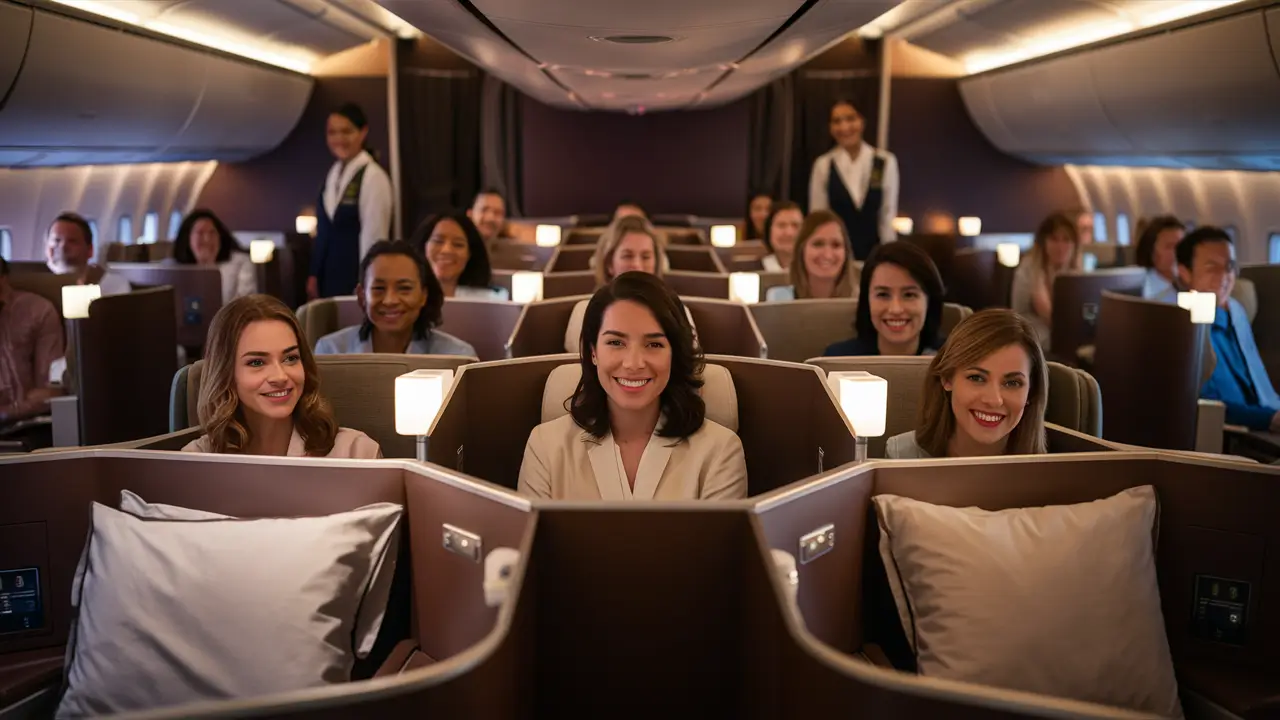
While the allure of complimentary first-class seats on Delta Airlines might seem like a distant dream, achieving this premium travel experience is more attainable than many believe. This comprehensive guide delves into the strategies and insights necessary to elevate your journey, transforming standard bookings into luxurious first-class adventures. We will explore the nuances of loyalty programs, strategic booking, and leveraging credit card benefits that can pave your way to unparalleled comfort and service.
Understanding the landscape of Delta Airlines' offerings is the first step towards unlocking these exclusive experiences. From the intricacies of the SkyMiles program to identifying opportune moments for upgrades, this article provides actionable advice for every traveler. Prepare to discover how to navigate the system effectively, maximize your rewards, and ultimately, secure those coveted first-class seats without paying the premium price.
Understanding Delta First Class and Premium Cabins
Delta Airlines offers several premium cabin experiences, with First Class being a primary target for those seeking enhanced comfort and service on domestic and short-haul international routes. First Class typically features wider seats, significantly more legroom, complimentary premium snacks and beverages, and expedited boarding. Understanding the distinction between First Class and other premium offerings like Delta One and Delta Comfort+ is crucial for setting realistic expectations and targeting the right opportunities.
Delta One, the airline's premium international business class product, offers lie-flat seats, chef-curated meals, and elevated amenities designed for long-haul comfort. Delta Comfort+ provides an enhanced economy experience with more legroom, dedicated overhead bin space, and priority boarding. While achieving complimentary Delta One is exceptionally rare, securing free First Class seats on eligible routes is a more achievable goal for dedicated travelers.
The availability of First Class seats is highly dependent on the specific aircraft, route, and demand. Smaller aircraft operating on shorter routes are more likely to feature a dedicated First Class cabin. Recognizing which Delta routes commonly offer this service is a key strategic advantage for travelers aiming for an upgrade.
What Exactly is Delta First Class?
Delta's First Class cabin is designed to provide a superior travel experience compared to the Main Cabin on domestic flights. Passengers can expect more spacious seating arrangements, offering greater width and legroom to enhance comfort during the flight. This cabin also typically includes enhanced dining options, featuring complimentary premium snacks and a selection of alcoholic and non-alcoholic beverages tailored for a more refined palate.
The benefits extend beyond the seat itself, often including priority boarding privileges, allowing First Class passengers to settle in without the rush. This expedited boarding process contributes to a more relaxed start to the journey. Furthermore, the overall service in First Class is more personalized, with flight attendants often providing a higher level of attention to passenger needs.
It's important to note that First Class is primarily available on Delta's domestic network and select short-haul international flights, such as those to Canada, Mexico, and the Caribbean. For transcontinental and international long-haul flights, Delta's premium offering is Delta One, which provides a significantly different and more luxurious experience, including lie-flat seats.
Distinguishing Premium Cabins: First Class vs. Delta One vs. Comfort+
Delta's premium cabin hierarchy is structured to cater to various travel needs and budgets, with First Class, Delta One, and Delta Comfort+ representing distinct tiers of service. First Class, as previously discussed, is the premium option for most domestic routes, focusing on enhanced comfort and amenities for shorter journeys. It offers a noticeable upgrade from Main Cabin but differs significantly from the long-haul luxury of Delta One.
Delta One is Delta's flagship international business class product, designed for intercontinental travel. It features fully lie-flat seats, gourmet dining, premium amenity kits, and dedicated lounges for eligible passengers. The experience in Delta One is akin to a premium hotel stay in the sky, a stark contrast to the recliner-style seats found in domestic First Class.
Delta Comfort+ sits between Main Cabin and First Class, offering passengers more legroom, dedicated overhead bin space, and priority boarding. While it provides a more comfortable economy experience, it does not include the full suite of amenities or the seating configuration of First Class or Delta One. Understanding these differences is key to knowing which cabin you are aiming for and the strategies required to access it.
Leveraging Delta SkyMiles for Upgrades and Awards
The Delta SkyMiles program is the cornerstone for earning and redeeming rewards, including opportunities for complimentary upgrades to First Class. By strategically accumulating SkyMiles through flying, credit card spending, and partner activities, travelers can significantly increase their chances of securing premium seats. Understanding the redemption charts and upgrade policies is paramount to effectively utilizing these hard-earned miles.
Redeeming SkyMiles for First Class can be an excellent value, especially when cash fares are prohibitively high. While Delta has moved towards dynamic award pricing, meaning prices fluctuate based on demand, there are still instances where mile redemptions offer a substantial discount. Monitoring award availability and being flexible with travel dates can unlock the best redemption opportunities.
Beyond direct award bookings, SkyMiles can also be used for upgrade certificates or to pay for upgrade fees when booking in Main Cabin or Comfort+. These methods offer alternative pathways to First Class, often at a reduced mileage cost compared to a full award ticket. The key is to consistently earn miles and understand the various redemption options available.
Earning SkyMiles Strategically
Maximizing your SkyMiles accumulation is fundamental to achieving complimentary First Class travel. Flying with Delta and its partners is the most direct method, with miles earned based on the fare paid and your SkyMiles elite status level. Higher fare classes and elite status members earn a greater number of miles per dollar spent, accelerating your progress.
Co-branded Delta SkyMiles American Express cards offer substantial welcome bonuses and ongoing earning opportunities. These cards often provide bonus miles on everyday spending categories like groceries, dining, and Delta purchases, making them powerful tools for mile accumulation. Strategic use of these cards can lead to tens of thousands of bonus miles annually.
Furthermore, Delta partners with numerous retailers, hotels, and car rental agencies, offering opportunities to earn bonus SkyMiles on everyday transactions. Participating in these promotions and linking your SkyMiles account to these partners can significantly boost your mileage balance over time. Diligent engagement with these earning channels is key to unlocking premium travel.
Redeeming SkyMiles for First Class
Redeeming SkyMiles directly for a First Class award ticket is a straightforward, albeit mileage-intensive, method. When searching for flights on Delta's website, select the "Shop with Miles" option and specify your desired cabin class. The system will then display available award redemptions, allowing you to compare mileage costs against cash fares.
The number of miles required for a First Class award varies significantly based on demand, route, and booking time. For domestic routes, expect anywhere from 20,000 to 60,000+ SkyMiles for a one-way First Class redemption. It is crucial to compare these redemption costs against the cash price of the ticket to ensure you are getting good value for your miles.
Delta also offers "Upgrade with Miles" options, allowing you to use SkyMiles to upgrade an existing Main Cabin or Comfort+ reservation to First Class. This can sometimes be a more cost-effective way to secure a premium seat if a direct award redemption is too expensive. These upgrades are subject to availability and are typically offered at a fixed mileage cost.
Understanding Upgrade Certificates
Certain Delta SkyMiles American Express cards and elite status tiers provide complimentary upgrade certificates. These certificates are often referred to as "Regional Upgrade Certificates" (RUCs) or "Global Upgrade Certificates" (GUCs), depending on the card or status level. RUCs are generally applicable to domestic First Class and Delta Comfort+ upgrades on eligible flights.
Using these certificates can be a highly efficient way to secure a free upgrade, as they often bypass the standard upgrade waitlist if applied to a qualifying fare. The key is to understand the specific fare class requirements for certificate usage, as not all tickets are eligible. Many certificates require booking in a higher fare class within Main Cabin to be applied successfully.
These certificates can be particularly valuable when combined with discounted Main Cabin fares, effectively turning a cheap ticket into a First Class experience at no additional mileage cost. It is essential to track the expiration dates of your certificates and plan your travel accordingly to maximize their benefit.
Strategic Booking and Timing for First Class Access
The timing of your booking can significantly influence your ability to secure a First Class seat, whether through paid upgrades, award redemptions, or complimentary upgrades. Delta employs dynamic pricing, meaning fares and award availability fluctuate based on demand, seasonality, and how far in advance you book. Understanding these patterns allows for more informed booking decisions.
For paid upgrades, booking closer to the departure date can sometimes yield lower prices as Delta aims to fill unsold premium seats. However, this strategy is risky, as availability diminishes rapidly. Conversely, booking award tickets for First Class often requires significant advance planning, as these seats are limited and highly sought after.
Seasonality plays a crucial role; traveling during peak holiday periods or major events will drastically increase both cash and award prices for First Class. Identifying shoulder seasons or less popular travel days can present better opportunities for securing premium seats at a lower cost or mileage redemption. Flexibility remains a traveler's greatest asset in this pursuit.
Best Times to Book Flights
For securing the best fares on Delta flights, generally, booking domestic flights 1 to 3 months in advance is recommended, with 45 days often cited as a sweet spot. International flights typically require a longer lead time, with 2 to 8 months being a common window for optimal pricing. Last-minute bookings are almost always the most expensive, especially for premium cabins.
Delta often releases sales on Tuesday mornings, and prices may remain low through Wednesday evening before potentially increasing. Monitoring fares consistently, especially during these mid-week periods, can help you catch fare drops. Utilizing fare alert tools can also be beneficial in notifying you of price changes for your desired routes.
Consider the day of the week you plan to fly as well. Mid-week travel, particularly on Tuesdays and Wednesdays, tends to be less expensive than weekend travel. This is due to lower demand from both business and leisure travelers, which can translate into more competitive pricing across all fare classes, including opportunities for upgrades.
Understanding Fare Classes and Upgrades
Delta's upgrade system is intrinsically linked to the fare class purchased. When booking a ticket, you are assigned a specific fare class code (e.g., Y, B, M for Main Cabin; P, A, F for First Class). Complimentary upgrades for Medallion members are prioritized based on elite status, fare class purchased, and time of booking.
Generally, higher fare classes within Main Cabin (like Y or B) have a better chance of receiving complimentary upgrades than lower fare classes (like V or X). Similarly, if you are purchasing an upgrade, the cost can vary significantly based on the original fare class of your ticket. Booking a flexible Main Cabin fare often makes it easier and cheaper to upgrade to First Class.
For those using upgrade certificates, specific fare class restrictions often apply. Many Regional Upgrade Certificates, for instance, require booking into a higher fare class within Main Cabin (often referred to as "full fare" Main Cabin) to be successfully applied. Always verify the specific fare class eligibility for any upgrade certificate or paid upgrade option.
Last-Minute Upgrade Opportunities
While not guaranteed, last-minute upgrades to First Class can sometimes be secured at the airport or even at the gate. If First Class seats remain unsold after the boarding process begins, Delta may offer them to eligible passengers for a fee or, in rare cases, complimentary to top-tier elite members. This is often a last resort for the airline to fill premium inventory.
Passengers can check for upgrade availability on Delta's app or website shortly before departure. If paid upgrade offers appear at a reasonable price, it might be worth considering, especially if the cash fare for First Class is significantly higher. These offers are dynamic and can change rapidly as departure time approaches.
For Medallion members, checking the upgrade list status on the Fly Delta app is a good practice. While complimentary upgrades are prioritized by status and fare class, sometimes seats become available due to cancellations or schedule changes. Being present and aware of the situation at the gate can sometimes lead to an unexpected upgrade.
Credit Card Partnerships and Perks for Premium Travel
Delta's strategic partnerships with American Express have created a robust ecosystem of co-branded credit cards that offer significant benefits for travelers aiming for premium experiences. These cards are not just for earning miles; they provide tangible perks that directly contribute to securing First Class travel or enhancing the journey.
Welcome bonuses on these cards can provide a substantial chunk of SkyMiles, often enough for a domestic First Class award ticket on their own. Beyond the initial bonus, the ongoing spending rewards and statement credits can further offset travel costs and accelerate mileage accumulation. Understanding which card best suits your spending habits and travel goals is crucial.
Several Delta SkyMiles American Express cards offer benefits like free checked bags, priority boarding, and access to exclusive Delta Sky Club lounges (with specific card tiers). While these don't directly grant a free First Class seat, they significantly enhance the overall travel experience and reduce associated costs, making the journey more comfortable.
Delta SkyMiles American Express Cards
Delta offers a range of co-branded American Express cards, including the Gold, Platinum, and Reserve Delta SkyMiles cards. Each tier provides escalating benefits, with the higher-tier cards offering more significant perks aimed at frequent flyers and those seeking premium travel. These cards are instrumental in accelerating SkyMiles accumulation and accessing upgrade opportunities.
The Gold Delta SkyMiles card is a good entry point, offering a welcome bonus and benefits like a free first checked bag and priority boarding. The Platinum Delta SkyMiles card builds upon this, adding an annual companion certificate for domestic round-trip flights and earning Medallion Qualification Miles (MQMs) on spending, which helps with elite status.
The Reserve Delta SkyMiles card is the top-tier offering, providing the most comprehensive benefits. This includes unlimited Delta Sky Club access (when flying Delta), complimentary Global Entry or TSA PreCheck credit, and the highly coveted annual companion certificate, which can be used for First Class or Delta One on eligible domestic routes. The spending thresholds for earning MQMs on the Platinum and Reserve cards can be a direct pathway to Medallion status.
Credit Card Perks That Help
Beyond direct mileage earning, specific credit card perks can significantly aid in achieving free First Class travel. The companion certificates offered on the Platinum and Reserve Delta SkyMiles cards are particularly valuable. These certificates allow you to book a Main Cabin ticket and receive a second ticket in the same cabin class (including First Class on eligible domestic routes) for just the cost of taxes and fees.
The ability to earn Medallion Qualification Miles (MQMs) through spending on certain Delta cards is another critical benefit for those pursuing elite status. Reaching Medallion status unlocks complimentary upgrade opportunities as a primary benefit. For instance, Gold Medallion members receive upgrade priority over Silver Medallion members, and Platinum and Diamond members have even higher priority.
Additionally, some cards offer statement credits for incidental airline fees or travel purchases, which can help offset the cost of paid upgrades or ancillary services. While these credits may not directly pay for a First Class seat, they reduce the overall out-of-pocket expense associated with premium travel.
Understanding Delta Elite Status and Its Benefits
Delta Medallion status is arguably the most direct and consistent way to gain complimentary upgrades to First Class on domestic flights. Achieving elite status requires meeting specific thresholds for Medallion Qualification Miles (MQMs), Medallion Qualification Segments (MQSs), or Medallion Qualification Dollars (MQDs) within a calendar year. The higher your status, the greater your priority for complimentary upgrades.
The upgrade priority order is meticulously structured: first by Medallion status level (from highest to lowest), then by fare class purchased (higher fare classes have priority), and finally by the time the upgrade request was made. This means that a Diamond Medallion member booked in a higher fare class will have a significantly better chance of an upgrade than a Silver Medallion member booked in a basic economy fare.
Understanding the different tiers—Silver, Gold, Platinum, and Diamond—and the requirements for each is crucial for setting achievable goals. Focusing on earning MQMs or MQDs through flying or credit card spending can be a strategic approach to attaining the status needed for consistent complimentary upgrades.
Medallion Status Tiers and Requirements
Delta's Medallion program consists of four tiers: Silver, Gold, Platinum, and Diamond. Each tier offers progressively better benefits, with complimentary upgrades being a primary perk across all levels, albeit with varying priority. The requirements for each tier are based on a combination of miles flown, segments flown, and dollars spent on Delta tickets within a calendar year.
For the 2025-2026 program year, the general requirements are as follows: Silver Medallion requires 25,000 MQMs or 30 MQSs and $3,000 MQDs. Gold Medallion requires 50,000 MQMs or 40 MQSs and $6,000 MQDs. Platinum Medallion requires 75,000 MQMs or 60 MQSs and $9,000 MQDs. Diamond Medallion, the highest tier, requires 125,000 MQMs or 100 MQSs and $15,000 MQDs.
It's important to note that Medallion Qualification Dollars (MQDs) are now a mandatory component for earning status, emphasizing spending with Delta. However, spending on co-branded Delta SkyMiles American Express cards can help meet MQD requirements, providing a valuable bridge for those who don't always fly enough to meet the MQD threshold through fares alone.
Complimentary Upgrade Priority
Delta's complimentary upgrade system is a tiered process designed to reward its most loyal customers. The order of priority is strictly enforced, ensuring that higher-tier Medallion members receive preference. This system applies to upgrades to First Class on domestic flights and to Delta Comfort+ on all flights.
The general priority order is as follows: First, Medallion members are ranked by status (Diamond, Platinum, Gold, Silver). Within each status tier, passengers who purchased higher fare classes (e.g., First Class fares are not eligible for complimentary upgrades, but higher Main Cabin fares like Y or B are prioritized over lower fares like V or X) are ranked higher. Finally, if status and fare class are identical, the member who requested the upgrade earliest is prioritized.
This system means that while Silver Medallions may occasionally receive upgrades on less-than-full flights, Gold, Platinum, and Diamond members have a significantly higher probability. For instance, a Platinum or Diamond member flying on a Tuesday or Wednesday often has a very high chance of securing a First Class seat on many domestic routes.
Earning MQDs Through Spending
The introduction of Medallion Qualification Dollars (MQDs) as a mandatory requirement for elite status has shifted the focus towards spending with Delta. However, Delta's co-branded American Express cards offer a valuable pathway to earn MQDs through everyday spending, making elite status more accessible to a wider range of travelers.
For example, the Platinum Delta SkyMiles American Express card allows cardholders to earn 1 MQD for every $10 spent on the card, up to a certain threshold. The Reserve Delta SkyMiles American Express card offers a similar benefit, often with a higher earning potential or a higher threshold for earning MQDs. This allows travelers to accumulate the necessary MQDs even if their paid airfare doesn't meet the requirement.
Strategically using these credit cards for purchases, especially those that align with bonus categories, can significantly contribute to your MQD balance. This strategy is particularly effective for travelers who fly frequently but may not always purchase the highest fare classes, allowing them to reach Gold, Platinum, or even Diamond status.
Alternative Strategies and Insider Tips
Beyond the core strategies of loyalty programs and strategic booking, several alternative methods and insider tips can increase your chances of experiencing Delta First Class without paying the full fare. These often involve understanding operational nuances, leveraging specific Delta policies, and being opportunistic.
One such strategy involves understanding how Delta handles operational upgrades. These are involuntary upgrades initiated by the airline due to overbooking in Main Cabin or other operational reasons. While you cannot directly request an operational upgrade, being a Medallion member significantly increases your chances if such an event occurs.
Another tip is to consider routes where First Class is less in demand. Smaller cities or routes with less business travel might have more available First Class seats, making complimentary upgrades more likely for Medallion members. Researching less conventional routes can sometimes yield unexpected premium travel opportunities.
Operational Upgrades
Operational upgrades (often referred to as "op-ups") are involuntary upgrades initiated by Delta when a flight is overbooked in a lower cabin, necessitating the movement of passengers to a higher cabin to accommodate them. These are distinct from voluntary complimentary upgrades based on Medallion status and fare class.
While you cannot directly solicit an operational upgrade, being a loyal Delta customer, especially a Medallion member, certainly places you in a better position should the need arise. Delta typically prioritizes moving its most frequent flyers during operational upgrades, though the exact criteria can vary. The key is to be booked on an oversold flight and have a confirmed seat.
It is important to understand that operational upgrades are entirely at the discretion of Delta Airlines and are not guaranteed. They are primarily a tool for the airline to manage capacity and ensure all passengers have a seat, rather than a perk for elite members. However, the goodwill generated by receiving one can feel like a significant win.
Buddy Passes and Employee Travel
Delta employees and their eligible companions can utilize "buddy passes" for discounted or free travel. These passes are a perk of employment and allow employees to travel on standby in available seats across various cabins, including First Class, depending on availability and seniority.
For non-employees, the only way to benefit from this is by traveling with a Delta employee who has buddy pass privileges. It is crucial to understand that travel on buddy passes is always standby, meaning confirmation is not guaranteed until shortly before departure. This makes it an unreliable method for critical travel plans but can be a fantastic way to experience First Class if you have a friend or family member who works for Delta.
The availability of First Class seats for buddy pass travelers is highly dependent on how full the flight is with revenue and Medallion upgrade passengers. It is essential to manage expectations and be prepared for the possibility of not getting an upgrade or even not getting on the flight at all.
Last-Minute Paid Upgrades
Delta frequently offers passengers the opportunity to purchase upgrades to First Class or Delta One at a reduced price, especially in the days leading up to departure or even at check-in. These offers are presented via email, through the Fly Delta app, or on Delta's website when managing your reservation.
The pricing for these last-minute upgrades is dynamic and depends on factors such as the original fare purchased, the route, and the remaining unsold First Class inventory. For passengers who booked a Main Cabin ticket, these offers can sometimes provide a significant cost saving compared to booking First Class outright from the beginning.
It is advisable to monitor your reservation for these upgrade offers, particularly if your travel dates are approaching and you are flexible. Sometimes, waiting until a few days before departure can yield a better price than accepting an offer made weeks in advance. However, this strategy carries the risk that all First Class seats might be sold by then.
Checking for Deals
Proactive searching for deals can uncover opportunities for significantly reduced fares that might make a First Class purchase more feasible or provide better value for SkyMiles redemptions. Delta frequently runs sales on domestic and international routes, often advertised through their website and email newsletters. Subscribing to these communications ensures you are among the first to know about limited-time offers.
Exploring the Delta Airlines deals page on travel aggregator sites or directly on Delta's website can reveal discounted fares. These deals often appear during off-peak seasons or on less popular routes, offering a chance to book premium cabins at a fraction of the usual cost. Flexibility with travel dates and destinations is key to capitalizing on these opportunities.
Additionally, consider using fare alerts from travel websites. By setting up alerts for specific routes, you will be notified when prices drop, allowing you to book quickly before the fare increases again. This diligent monitoring can lead to substantial savings, making that First Class seat a more attainable goal.
Delta Airlines Customer Service Assistance
Navigating the complexities of Delta Airlines' booking systems, upgrade policies, and loyalty programs can sometimes be challenging. For personalized assistance and expert guidance, contacting Delta Airlines Customer Service is a valuable resource. They can provide clarity on upgrade eligibility, explain SkyMiles redemption options, and assist with booking modifications or inquiries.
When facing intricate booking scenarios or seeking to maximize your travel rewards, a direct conversation with a Delta representative can often yield the most efficient and accurate information. They have access to real-time inventory and can advise on the best strategies tailored to your specific travel plans and loyalty status. Don't hesitate to reach out for support.
For those seeking comprehensive travel planning and booking assistance, particularly with Delta Airlines, Rapido Air serves as an authorized travel partner. Our team is dedicated to helping you find the best fares, understand upgrade possibilities, and manage your reservations effectively. We strive to make your travel experience as seamless and rewarding as possible, ensuring you get the most value from your journey.
To speak directly with a travel expert who can assist you with Delta Airlines reservations and provide insights into securing premium seating, please call our dedicated support line. Our knowledgeable agents are available to guide you through the booking process and answer any questions you may have regarding Delta flights, upgrades, and loyalty benefits. You can reach us at (888) 427-9713 for personalized assistance.
Conclusion
Achieving complimentary or significantly discounted First Class travel on Delta Airlines is a multifaceted endeavor that rewards strategic planning and consistent engagement with the airline's programs. By understanding the nuances of Delta's premium cabins, diligently accumulating SkyMiles, and leveraging the benefits of co-branded credit cards, travelers can significantly enhance their journey without the exorbitant cost.
The pursuit of free First Class seats hinges on a combination of factors: achieving Medallion elite status for priority upgrades, strategically timing flight bookings, and being opportunistic with last-minute offers or deals. While there's no single magic bullet, a holistic approach that integrates these strategies increases your probability of experiencing Delta's premium service.
Ultimately, the most effective path to free First Class travel involves a commitment to maximizing your SkyMiles and understanding the value of elite status. Keep an eye on fare sales, consider upgrade opportunities when they arise, and always prioritize routes and times that offer better upgrade potential. With patience and a well-informed strategy, your dream of flying Delta First Class can become a reality.