
Can I bring food on Delta Air Lines?
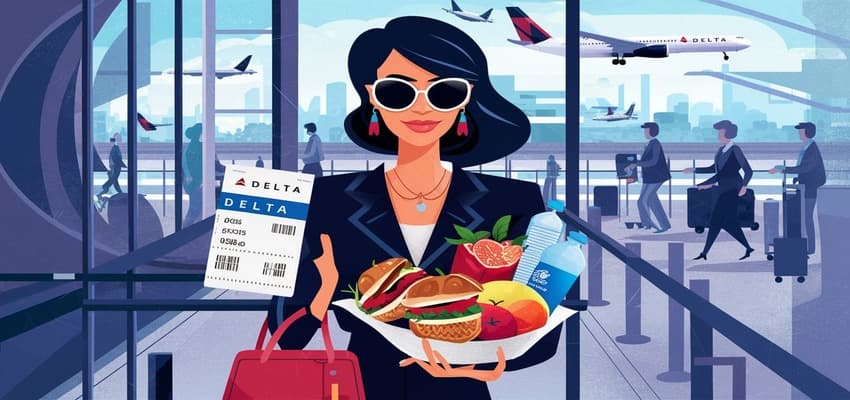
Navigating airline policies can often feel like deciphering a complex code, especially when it comes to what you can and cannot bring aboard. For many travelers, a key question arises: Can I bring food on Delta Air Lines? Understanding Delta's specific guidelines is crucial for a comfortable and enjoyable journey, ensuring you're prepared and avoid any last-minute surprises at the gate. This comprehensive guide will delve into Delta's food policy, offering practical advice for packing your snacks and meals.
Securing affordable airfare is a primary concern for most travelers, and Delta Air Lines offers numerous opportunities for savings. By employing smart booking strategies and staying informed about current promotions, you can significantly reduce the cost of your next trip. This article will equip you with the knowledge to find the best Delta Airlines deals and make informed decisions, ensuring your travel budget stretches further without compromising on comfort or convenience. We aim to provide actionable insights for 2025-26 travel planning.
Introduction
The primary question many travelers ponder before a flight is, Can I bring food on Delta Air Lines? The straightforward answer is yes, Delta generally permits passengers to bring their own food and non-alcoholic beverages on board their flights. This policy is designed to enhance passenger comfort and cater to a variety of dietary preferences and needs. Understanding the nuances of this policy will help you pack efficiently and enjoy your journey without unnecessary complications.
For travelers seeking to optimize their travel budget, finding affordable Delta Airlines flights is paramount. Delta consistently offers competitive fares, especially when booked within optimal windows and when travelers are aware of promotional offers. This guide not only addresses your culinary concerns but also provides insights into making the most of your Delta travel experience, from booking to in-flight amenities. We aim to be your definitive resource for navigating Delta Air Lines in 2025-26.
Delta's Official Stance on Bringing Food Aboard
Delta Air Lines explicitly permits passengers to bring their own food and non-alcoholic beverages for consumption during their flight. This policy extends to both domestic and international travel, providing a significant convenience for travelers. The airline encourages passengers to bring snacks and meals that are easy to consume and do not create excessive odors that might disturb other passengers. This flexibility allows travelers to manage their dietary requirements and enjoy familiar foods while in the air.
While Delta allows most food items, there are specific regulations, particularly concerning liquids and certain types of perishable goods, that passengers must adhere to. These rules are largely in place for security and sanitation purposes, ensuring a safe environment for everyone on board. Familiarizing yourself with these guidelines beforehand will prevent any issues during the security screening process or boarding. Delta's commitment to passenger well-being includes facilitating a comfortable in-flight experience, and their food policy is a reflection of this.
The airline's policy is generally aligned with that of most major carriers, emphasizing common sense and consideration for fellow travelers. Passengers are encouraged to pack their food items securely to prevent spills and to dispose of waste properly. By following these simple directives, you can ensure your personal food choices enhance, rather than detract from, the overall flight experience for yourself and others. This thoughtful approach is key to a smooth journey.
Carry-On vs. Checked Baggage for Food Items
When considering Can I bring food on Delta Air Lines?, the distinction between carry-on and checked baggage is important for certain items. Solid food items, such as sandwiches, fruits, vegetables, and packaged snacks, are generally permitted in carry-on bags without restriction. These items do not typically pose a security threat and are convenient to access during the flight. Packing your meals and snacks in your carry-on ensures they are readily available for consumption whenever you wish.
For items that are liquid or semi-liquid, such as yogurts, dips, or certain beverages, the TSA's 3-1-1 rule for carry-on baggage applies. This means liquids, gels, and aerosols must be in containers of 3.4 ounces (100 milliliters) or less, and all containers must fit in one quart-sized, clear, zip-top bag. This rule is strictly enforced at security checkpoints, so it's crucial to pack accordingly if you plan to bring such items in your carry-on. Exceeding these limits will result in the items being confiscated.
Checked baggage offers more flexibility for larger quantities of food or items that might not comply with carry-on liquid restrictions. However, it's advisable to pack perishable items very carefully in checked luggage, using insulated bags and ice packs if necessary, to maintain their temperature. Be aware that temperature fluctuations during transit can affect the quality of some foods. Delta's guidelines do not prohibit most food items in checked luggage, but it is always prudent to check for any specific country-specific regulations if traveling internationally.
What Types of Food Can You Bring?
Delta Air Lines permits a wide array of solid food items that travelers can bring aboard their flights. This includes, but is not limited to, sandwiches, wraps, salads (with dressing packed separately or in small containers), fruits, vegetables, crackers, chips, cookies, and pastries. Packaged snacks like granola bars, nuts, and dried fruits are also perfectly acceptable and make for convenient in-flight options. These items are typically easy to manage and do not require special handling.
Homemade meals, such as pasta dishes, rice bowls, or cooked meats, are also generally allowed, provided they are well-sealed and do not have strong, pervasive odors. The key consideration is ensuring the food is safe for consumption and does not create a nuisance for other passengers. Think about items that are self-contained and can be eaten without significant mess or strong aromas. This thoughtful selection enhances the communal travel environment.
Specialty items like cakes or pies are permissible as well, though their size and packaging should be manageable within the cabin. For those with specific dietary needs, such as gluten-free, vegan, or allergen-free requirements, bringing your own food is an excellent way to ensure you have safe and suitable options throughout your journey. Delta's policy supports this need for personal dietary management, making travel more accessible for everyone.
Navigating Liquid and Gel Food Rules
When bringing liquid or gel-based food items in your carry-on baggage on Delta Air Lines, the Transportation Security Administration (TSA) 3-1-1 rule is the governing principle. This means that all liquids, gels, aerosols, creams, and pastes must be contained in individual containers of 3.4 ounces (100 milliliters) or less. These smaller containers must then be placed in a single, clear, quart-sized zip-top bag, with only one such bag permitted per passenger. This rule applies to items like yogurt, pudding, hummus, jams, and salad dressings.
Exemptions to the 3-1-1 rule exist for medically necessary liquids, gels, and aerosols, as well as for infant or child sustenance (formula, breast milk, juice). Passengers carrying these items should declare them to security officers at the checkpoint for inspection. It is advisable to have these items in separate, easily accessible containers and to be prepared to provide documentation if necessary for medically required items. This ensures a smoother screening process.
For larger quantities of liquid or gel food items, such as a full bottle of wine or a large container of soup, these must be packed in checked baggage. Even then, it is essential to ensure they are securely sealed and protected to prevent leaks during transit. While Delta permits these items in checked luggage, it's wise to use robust packaging to safeguard against potential damage. Adhering to these guidelines is key to avoiding issues at security.
Accommodating Special Dietary Needs
Delta Air Lines recognizes that many passengers have specific dietary requirements due to allergies, health conditions, or personal preferences. The airline's policy on bringing food aboard is particularly beneficial for these travelers, allowing them to supplement or replace standard in-flight offerings with their own prepared meals. This empowers individuals to maintain their dietary regimen with confidence and safety, regardless of their travel destination.
For passengers with severe allergies, bringing your own food is often the safest approach, as it guarantees control over ingredients and preparation methods. It is advisable to clearly label your food items with potential allergens and to inform the flight attendants upon boarding about any critical dietary needs. While Delta strives to accommodate special meal requests made in advance, bringing personal food provides an essential backup and peace of mind. This proactive measure is highly recommended.
Travelers with conditions like diabetes or celiac disease can also greatly benefit from packing their own snacks and meals. This ensures they have access to appropriate food options throughout their journey, avoiding potential disruptions to their health management. Remember to adhere to TSA regulations for liquids and gels if carrying items like special dietary drinks or pureed foods in your carry-on. Careful planning ensures a comfortable and healthy travel experience for all.
Bringing Food for Infants and Children
Delta Air Lines is very accommodating when it comes to bringing food and beverages for infants and young children. Parents and guardians are permitted to bring breast milk, formula, baby food, and other child-specific sustenance in reasonable quantities for their journey, even if these items exceed the standard liquid restrictions for carry-on baggage. This is a crucial allowance that eases the burden of traveling with little ones.
When going through security, it is important to notify the TSA officers that you are traveling with infant or child food. These items will undergo additional screening, but they are exempt from the typical 3.4-ounce limit. Having these items in separate, easily accessible containers can expedite the screening process. It is also wise to pack a few extra snacks and drinks, as flight schedules can sometimes be unpredictable, and children can be particularly sensitive to delays.
Beyond essential baby food, parents can also pack a variety of child-friendly snacks and meals in their carry-on bags. Think about items like fruit pouches, crackers, small sandwiches, and juice boxes. Ensuring these items are easy for children to eat and do not create excessive mess will contribute to a more pleasant flight for everyone. Delta understands the unique needs of families and supports these provisions for a smoother travel experience.
Items That Are Not Allowed
While Delta Air Lines permits most food items, there are certain categories that are restricted for safety, security, and public health reasons. Items that are excessively messy, have strong odors, or could be considered a public health risk are generally discouraged. This includes items like pungent cheeses, very strong-smelling seafood, or anything that might easily spill and create a significant mess in the cabin. Consideration for fellow passengers is paramount.
Alcoholic beverages purchased outside of Delta's inflight service are prohibited from being consumed on board, although unopened, factory-sealed containers of alcohol can be packed in checked baggage. The TSA also has specific regulations regarding dry ice, which may be used to keep food cool; it must be declared and is subject to quantity limitations. For carry-on items, remember the 3-1-1 rule for liquids and gels, as exceeding these limits will result in confiscation.
Furthermore, certain fresh fruits and vegetables may be prohibited from entering specific countries or territories due to agricultural regulations. While Delta itself doesn't typically restrict these items for carriage, travelers must be aware of the customs regulations of their destination. It is always best to consume or discard such items before reaching customs to avoid potential penalties. Researching your destination's import rules is a wise preparatory step.
Smart Packing Strategies for Your Food
To ensure your food remains fresh and secure throughout your Delta flight, proper packing is essential. For solid foods like sandwiches and fruits, using resealable containers or sturdy reusable bags is highly recommended. This prevents items from getting crushed and contains any potential crumbs or leaks, keeping your carry-on tidy. Investing in a good quality insulated lunch bag can also help maintain temperature for a few hours.
When packing liquids and gels that comply with the 3-1-1 rule, ensure the zip-top bag is fully sealed and placed upright within your carry-on. Consider using leak-proof containers for items like yogurt or dips. For baby food or medically necessary liquids, separate them clearly and be prepared to present them to security personnel for inspection. This proactive approach streamlines the screening process significantly.
For longer flights or when carrying items that require refrigeration, consider using a small cooler bag with reusable ice packs. These are permitted in carry-on baggage, provided the ice packs are frozen solid when you go through security. If they are partially melted, they will be treated as a liquid and must comply with the 3-1-1 rule. Proper packing not only keeps your food appealing but also contributes to a more pleasant and organized travel experience.
Understanding Delta's In-Flight Meal Service
Delta Air Lines provides a range of in-flight dining options that vary depending on the route, flight duration, and cabin class. For short domestic flights, complimentary snacks and non-alcoholic beverages are typically offered, with more substantial options available for purchase. Main Cabin passengers on longer domestic routes may receive complimentary snacks and sometimes a snack box, while Delta Comfort+ and First Class passengers often enjoy enhanced snack selections and complimentary meals.
On international flights, Delta offers more comprehensive meal services, especially in premium cabins like Delta One and First Class. These meals are often multi-course, featuring a choice of entrees prepared with quality ingredients. Passengers in the Main Cabin on international routes usually receive complimentary meals or snack boxes, depending on the flight's length and destination. Advance meal selection is sometimes available for premium cabin passengers, allowing for personalized dining choices.
Delta also caters to various dietary needs through its pre-order meal service for select flights and cabin classes. Passengers can request special meals, such as vegetarian, vegan, gluten-free, kosher, or halal options, by making their selection at least 24 hours before departure through Delta's website or by contacting reservations. While these options are available, many passengers still find it convenient to supplement with their own preferred snacks and beverages, a practice Delta fully supports.
Maximizing Your Delta Flight Experience
To ensure you have the best possible experience when flying Delta Air Lines, booking strategically is key. The optimal time to book domestic flights often falls between 3 weeks and 3 months prior to departure, with prices tending to rise closer to the travel date. For international travel, planning 2 to 8 months in advance can yield significant savings. Monitoring fare trends and being flexible with your travel dates can also lead to substantial discounts.
Leveraging Delta SkyMiles can also enhance your travel experience, offering opportunities for award flights, upgrades, and other travel perks. Accumulating miles through flying, credit card spending, and partner offers allows you to redeem them for flights, hotels, and car rentals. Understanding the SkyMiles program's redemption charts and promotional offers is crucial for maximizing the value of your rewards. This loyalty program is designed to reward frequent travelers.
When considering your flight options, explore the different cabin classes Delta offers, such as Main Cabin, Delta Comfort+, First Class, and Delta One. Each class provides a different level of service, seat comfort, and amenities, catering to various budgets and travel preferences. For those seeking the best value, keeping an eye out for Delta Airlines deals can unlock premium experiences at more accessible price points. Planning ahead and utilizing available resources will ensure a smooth and enjoyable journey.
Delta Airlines Customer Service Assistance
For personalized assistance with booking your Delta Air Lines flights or navigating their policies, reaching out to an authorized travel partner can be incredibly beneficial. Rapido Air is an authorized travel agency that specializes in helping travelers find the best fares and itineraries for Delta flights. Their experienced agents can provide expert guidance tailored to your specific travel needs and budget, ensuring a seamless booking process.
If you have specific questions about bringing food on your flight, dietary accommodations, or need help finding the best deals, their customer service team is ready to assist. They can offer insights into Delta's current offerings and help you make informed decisions about your travel plans. Don't hesitate to contact them for support; they are dedicated to making your travel experience as smooth and enjoyable as possible.
You can connect with a Delta Airlines travel specialist at Rapido Air by calling (888) 427-9713. Their knowledgeable representatives are available to provide support, answer your queries, and help you secure the most advantageous Delta Airlines reservations. Whether you're looking for specific flight information or need assistance with complex booking arrangements, their team is equipped to offer comprehensive solutions.
Conclusion
In conclusion, the question, Can I bring food on Delta Air Lines?, is answered with a resounding yes, with certain considerations. Delta permits passengers to bring most solid food items and non-alcoholic beverages in their carry-on and checked baggage. Adhering to TSA regulations for liquids and gels in carry-ons, and being mindful of potential odor or mess, ensures a smooth experience for everyone. This policy provides travelers with the flexibility to manage their dietary needs and preferences effectively.
By packing your food items thoughtfully and understanding Delta's in-flight service options, you can significantly enhance your travel comfort. Remember to check destination-specific customs regulations for any fresh produce you plan to carry. For those seeking the best value on Delta flights, staying informed about booking windows and promotional offers is crucial. Exploring resources for Delta Airlines deals can unlock significant savings for your next journey.
Ultimately, Delta Air Lines strives to provide a comfortable and accommodating travel experience for all its passengers. By utilizing the information in this guide, you are well-equipped to plan your meals and snacks for your upcoming flight. For any further assistance or to explore the best available fares, consider reaching out to Delta's customer service or an authorized travel partner. Enjoy your journey with Delta!