
Are Delta seats bigger on international flights?
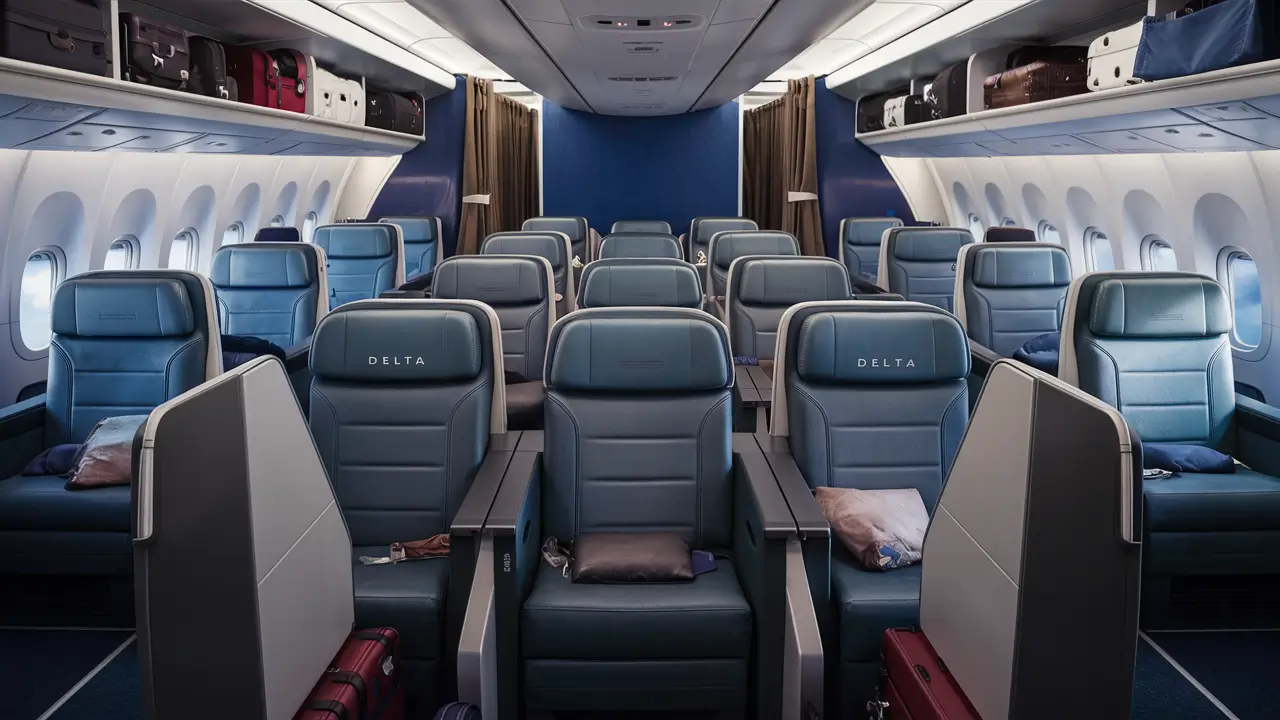
Planning your next journey with Delta Airlines often sparks curiosity about the nuances of their cabin configurations, especially when comparing domestic versus international routes. Many travelers ponder if the seats offer more space or comfort on longer, international flights, seeking to maximize their travel experience. Understanding these differences can significantly influence booking decisions and set realistic expectations for your journey. This comprehensive guide delves into the specifics of Delta's seating arrangements, providing clarity on what to expect when flying across continents.
Delta Airlines is renowned for its commitment to passenger comfort and service, yet seating dimensions can vary based on aircraft type, cabin class, and the specific route flown. The primary question many ask is whether international flights boast inherently larger seats compared to their domestic counterparts. While Delta strives for consistency, certain factors contribute to perceived and actual differences in seat space, particularly concerning legroom and width. We will explore these distinctions in detail, equipping you with the knowledge to make informed choices for your upcoming travels.
International vs. Domestic Seating: The Core Differences
The fundamental difference in Delta seat size between international and domestic flights often comes down to the purpose of the journey and the aircraft utilized. International flights, by their nature, involve longer durations, prompting airlines like Delta to configure cabins with more emphasis on passenger comfort to mitigate fatigue. This often translates to slightly more generous legroom or a more reclinable seat in certain classes on long-haul routes. Conversely, domestic flights are typically shorter, allowing for a configuration that prioritizes maximizing passenger capacity while still adhering to comfort standards.
While Delta aims for a consistent brand experience, the economics and operational realities of long-haul travel necessitate adjustments in seating. International routes often feature aircraft with different cabin layouts, and premium cabins like Delta One are specifically designed for extended comfort. Even in standard Main Cabin, international flights may offer marginally more legroom or a slightly wider seat on certain aircraft types to enhance the experience over many hours. It is crucial to examine the specific aircraft and cabin class when booking to understand these potential variations.
A common perception is that international seats are definitively larger, and while this holds true in many premium cabins, the difference in Main Cabin can be subtle. Delta's fleet is diverse, with various aircraft models operating both domestic and international routes, each having its own seating specifications. Therefore, a blanket statement about all international seats being larger is an oversimplification; rather, it's a trend observed more frequently in specific configurations and cabin classes designed for extended travel periods.
Understanding Seat Dimensions: Pitch, Width, and Recline
To accurately assess seat size, it's essential to understand the key metrics: seat pitch, seat width, and recline. Seat pitch refers to the distance between the front of one seat and the front of the seat directly in front of it, essentially measuring legroom. Seat width is the actual dimension of the seat cushion from armrest to armrest, determining how much space you have laterally. Recline indicates how far back the seat's backrest can tilt, contributing to overall comfort during the flight.
Delta's seat pitch on international flights in Main Cabin typically ranges from 30 to 32 inches, while domestic flights often fall within a similar range, sometimes as low as 30 inches. However, certain wide-body aircraft used for international routes might offer slightly more pitch, even in economy, to accommodate longer journeys. Seat width also sees minor variations, with international Main Cabin seats sometimes measuring 18 inches, while some domestic configurations might be fractionally narrower at 17.5 inches.
Recline capabilities can also differ significantly. Premium cabins on international flights, such as Delta One, offer substantial recline, often converting into lie-flat beds. In contrast, Main Cabin seats, whether domestic or international, have more limited recline. While international Main Cabin seats might offer a slightly deeper recline to enhance comfort on long hauls, the difference is usually measured in a few degrees rather than a dramatic shift in functionality.
Seat Pitch Comparison (Typical Ranges)
| Cabin Class | International Flight Pitch (inches) | Domestic Flight Pitch (inches) |
|---|---|---|
| Delta One | 77-80+ (lie-flat) | 38-40+ (First Class) |
| Delta Comfort+ | 34-35 | 33-34 |
| Main Cabin | 30-32 | 30-31 |
This table illustrates that while Main Cabin pitch can be quite similar, international flights often lean towards the higher end of the pitch spectrum. Delta Comfort+ also consistently offers more legroom than Main Cabin across both domestic and international routes. The most significant differences are observed in the premium cabins, where international offerings are designed for extended comfort over many hours.
Delta Cabin Classes Explained
Delta offers a tiered system of cabin classes designed to cater to various passenger needs and budgets, with distinct differences in seating and amenities between domestic and international services. Understanding these classes is paramount to setting expectations regarding seat size and overall comfort. Each class is tailored to the duration and purpose of the flight, with international premium cabins receiving significant attention to passenger well-being on long-haul journeys.
The distinction between domestic and international offerings within the same named cabin class can be substantial. For instance, Delta One on an international flight is a vastly different product than what might be marketed as First Class on a short domestic hop. This segmentation ensures that the airline can optimize its fleet and service offerings for the specific demands of each type of travel. Careful consideration of the cabin class and route is therefore essential for a satisfactory travel experience.
Furthermore, Delta continuously updates its cabin configurations and amenities across its fleet. While general trends exist, specific aircraft types operating specific routes can present unique seating arrangements. Consulting Delta's official website or using third-party seat map tools can provide the most precise details for a particular flight before making a booking decision.
Delta One (International)
Delta One is Delta's flagship international business class product, designed for ultimate comfort on long-haul flights. Seats in Delta One are spacious, private suites that convert into fully lie-flat beds, offering unparalleled comfort for sleeping. The pitch is exceptionally generous, often exceeding 77 inches when fully reclined, and the width provides ample personal space. These suites are engineered to provide a restful and productive environment for passengers undertaking intercontinental travel.
Each Delta One suite is equipped with premium bedding, large entertainment screens, ample storage, and direct aisle access for most passengers. The design prioritizes privacy and a personalized travel experience, allowing passengers to dine, work, or sleep at their leisure. This level of comfort is a significant differentiator from domestic First Class and is a primary reason why international flights often feel more luxurious in their premium offerings.
The service accompanying Delta One includes gourmet dining, premium beverages, and enhanced amenities kits, further contributing to the elevated experience. This investment in premium cabin seating reflects the airline's strategy to attract and retain business and premium leisure travelers on its most competitive international routes.
Delta First Class (Domestic)
Delta First Class on domestic flights offers a premium experience compared to Main Cabin, but it is distinct from the international Delta One product. Seats in domestic First Class are wider than Main Cabin seats and provide more legroom, typically with a pitch of around 38 to 40 inches. They also offer a more generous recline than economy seats, enhancing comfort for shorter to medium-haul journeys within the United States or to nearby international destinations like Canada or Mexico.
While comfortable, these seats do not convert into lie-flat beds and are often arranged in a 2-2 configuration on narrow-body aircraft, meaning there is no direct aisle access for every passenger. The focus is on providing a more comfortable and convenient experience for shorter flights, often including enhanced food and beverage service. This class is designed to offer a step up from economy without the extensive amenities of international business class.
The width of domestic First Class seats is generally around 20-21 inches, providing a more spacious feel than the standard Main Cabin. This added width, combined with the increased pitch and recline, makes domestic First Class a popular choice for travelers seeking a more relaxed journey on flights up to five hours. However, it is important not to confuse this with the significantly more luxurious Delta One suites found on international routes.
Delta Comfort+
Delta Comfort+ offers an enhanced Main Cabin experience, providing more legroom and other premium amenities at a lower price point than First Class or Delta One. On both domestic and international flights, Delta Comfort+ seats typically provide an additional three to four inches of legroom compared to standard Main Cabin seats, resulting in a pitch of around 33 to 35 inches. This extra space can make a significant difference on longer flights, reducing the feeling of being cramped.
Beyond the increased pitch, Delta Comfort+ passengers often receive priority boarding, allowing them to settle in and stow their luggage more easily. Complimentary alcoholic beverages are also typically included for all passengers in Delta Comfort+, regardless of the flight's duration or destination. These added benefits contribute to a more pleasant and comfortable journey for those who opt for this upgrade.
While the seat width and recline in Delta Comfort+ are generally the same as standard Main Cabin seats, the extra legroom is the primary selling point. This makes it an attractive option for travelers who find standard economy seating too restrictive, especially on longer international routes where space is at a premium. It represents a good balance between cost and comfort for many passengers.
Main Cabin Comparison
The Main Cabin is Delta's standard economy class, and its seating dimensions can exhibit subtle variations between domestic and international configurations. On domestic flights, Main Cabin seats typically offer a pitch of around 30 to 31 inches and a width of approximately 17.5 inches. These dimensions are standard for short to medium-haul flights, prioritizing capacity while maintaining a baseline level of comfort for passengers.
For international flights, Delta often utilizes wider-body aircraft that may offer slightly more generous dimensions in the Main Cabin, though this is not universally true for all aircraft. A common pitch for international Main Cabin is 30 to 32 inches, with some configurations potentially offering 18 inches in width. The recline is generally limited across all Main Cabin seating, whether domestic or international, designed for shorter durations of use.
It is important to note that even within the "Main Cabin" category, specific aircraft types can lead to differences. For example, a Boeing 767 used for international routes might have a slightly different Main Cabin seat than a Boeing 737 used for domestic routes. Therefore, always check the specific aircraft type for your flight when assessing seat comfort and space.
The Impact of Aircraft Type on Seat Size
The specific aircraft model operating a Delta flight is a primary determinant of seat size and cabin configuration, irrespective of whether the flight is domestic or international. Delta operates a diverse fleet, including narrow-body aircraft like the Boeing 737 and Airbus A320 series for domestic routes, and wide-body aircraft such as the Boeing 767, 777, and Airbus A330 for international and transcontinental services.
Wide-body aircraft, generally used for longer international routes, often feature cabins that are wider overall, allowing for potentially wider seats or more legroom, even in the Main Cabin. For example, a Boeing 777 or Airbus A330 might have a 3-4-3 seating configuration in economy, offering 18-inch wide seats, whereas a narrower 737 might have a 3-3 configuration with slightly narrower seats. This difference in fuselage width directly impacts the space available for each passenger.
Furthermore, the age and retrofitting of an aircraft also play a role. Delta has been actively retrofitting its fleet with newer cabin interiors, which can include updated seat designs that optimize space and comfort. Newer designs might offer slimmer seat profiles that provide more legroom without sacrificing passenger comfort, or they might introduce more efficient layouts. Always checking the specific aircraft type assigned to your flight, often available during the booking process or via your reservation details, is the best way to gauge potential seat dimensions.
Wide-Body vs. Narrow-Body Aircraft
| Aircraft Type | Typical Use | Cabin Width | Potential Main Cabin Seat Width (inches) | Potential Main Cabin Seat Pitch (inches) |
|---|---|---|---|---|
| Boeing 737/Airbus A320 | Domestic, Short-Haul International | Narrow-body | 17.0 - 17.5 | 30 - 31 |
| Boeing 767/Airbus A330 | International, Transcontinental | Wide-body | 17.5 - 18.0 | 30 - 32 |
| Boeing 777/Airbus A350 | Long-Haul International | Wide-body | 18.0 - 18.5 | 31 - 32 |
This comparison highlights how the physical dimensions of the aircraft itself contribute to the seating experience. Wide-body jets, by their very design, offer more space that can be allocated to passengers, even in economy. This is a key factor that often leads to international flights feeling more spacious, simply due to the type of plane being used.
International Flight Amenities and Comfort Features
Beyond the physical dimensions of the seats, international Delta flights typically come equipped with a suite of amenities designed to enhance comfort during extended travel. These can include more advanced in-flight entertainment systems with larger screens and a wider selection of movies, TV shows, and music. Power outlets and USB ports are also more consistently available across all cabins on international routes, allowing passengers to keep their devices charged.
Delta also tends to offer more comprehensive amenity kits on international flights, particularly in premium cabins, which may include items like eye masks, earplugs, socks, and premium toiletries. For longer flights, passengers might also be provided with blankets and pillows, even in Main Cabin, which are less common on shorter domestic journeys. These thoughtful additions contribute to a more restful and enjoyable experience over many hours in the air.
The catering on international flights is another significant differentiator. While domestic flights may offer simple snacks or buy-on-board options, international routes typically feature multi-course meals, often with choices of main entrees. This elevated service, coupled with the amenities, aims to make the long hours of international travel more palatable and comfortable for passengers.
Booking Tips for Optimal Seating
To secure the best possible seating, especially on international flights where space can be a premium, strategic booking is essential. Delta typically releases its flights for booking up to 11 months in advance, and booking early is often the best way to gain access to desirable seats. This is particularly true if you have specific preferences, such as an aisle seat or a seat with extra legroom in Delta Comfort+.
When booking, always check the aircraft type assigned to your flight. Delta's website and most booking platforms will display this information, allowing you to research the specific seat map and dimensions for that particular aircraft. Websites like SeatGuru or ExpertFlyer can provide detailed insights into seat pitch, width, and recline for various aircraft models and configurations.
Consider upgrading to Delta Comfort+ or even a premium cabin like Delta One if your budget allows and the flight duration warrants it. The added legroom in Comfort+ can make a significant difference on long-haul flights, while Delta One offers a completely different level of comfort and service. For those seeking budget-friendly options, exploring Delta Airlines deals can help make these upgrades more accessible.
Utilizing Seat Maps
Familiarize yourself with Delta's interactive seat maps available during the booking process or through your reservation management portal. These maps visually represent the cabin layout, highlighting standard seats, Delta Comfort+, and premium cabin options. Pay attention to seats located near bulkheads or emergency exits, as these often offer more legroom, though they may have restrictions or less recline.
Seats at the front of a cabin section or those at the very rear might have unique characteristics. For instance, bulkhead seats offer unobstructed legroom but lack under-seat storage and may have immovable armrests. Conversely, seats near galleys or lavatories can be subject to noise and foot traffic, making them less desirable for some travelers. Carefully reviewing the seat map allows you to make informed choices based on your priorities.
Some online travel agencies and Delta's own booking engine will provide seat ratings or highlight "best" seats based on user feedback and expert analysis. While these are helpful indicators, personal preference remains key. What one traveler finds ideal, another might not, so use these as guides rather than definitive rules.
Seasonal Deals and Savings on Delta Flights
Securing favorable pricing on Delta Airlines flights, whether for domestic or international travel, often involves understanding seasonal demand and booking strategically. Peak travel seasons, such as summer holidays and winter breaks, typically see higher fares due to increased demand. Conversely, shoulder seasons—spring and fall—often present opportunities for more competitive pricing and potentially better seat availability.
Delta, like most major carriers, adjusts its pricing based on factors like route popularity, time of year, and day of the week. Booking flights on Tuesdays or Wednesdays can sometimes yield lower fares compared to booking on weekends, as airlines often release sales and adjust pricing during the week. Monitoring fare trends and being flexible with travel dates can lead to significant savings.
For those looking to maximize savings, subscribing to Delta's email alerts or following their social media channels can provide advance notice of sales and promotions. Additionally, leveraging SkyMiles can offer a way to reduce out-of-pocket costs, especially when combined with fare sales or during promotional periods where mileage redemptions are discounted.
Best Times to Book
For domestic Delta flights, booking approximately 1 to 3 months in advance is often recommended to strike a balance between early bird discounts and avoiding last-minute price surges. International flights, however, benefit from a longer booking window, with 2 to 8 months prior to departure often yielding the most favorable rates. This extended period allows for greater availability of preferred seats and a wider range of fare options.
The specific destination can also influence optimal booking times. Popular international hubs or highly sought-after vacation spots might require earlier booking, especially if traveling during peak periods. Conversely, less popular routes or off-peak travel might offer flexibility for last-minute deals, though this is generally a riskier strategy for securing the best value and preferred seating.
It is also worth noting that Delta's pricing is dynamic and can change rapidly. Setting up fare alerts through third-party websites or apps can help you track price fluctuations and seize opportunities when fares drop. This proactive approach ensures you are not missing out on potential savings.
Delta Airlines Customer Service and Booking Assistance
Navigating the complexities of Delta Airlines bookings, especially when seeking specific seating arrangements or trying to find the best deals, can sometimes be challenging. While Delta's website provides extensive information, there are instances where personalized assistance can greatly enhance the booking experience. For travelers who prefer expert guidance or encounter specific queries, reaching out to authorized travel partners offers a valuable solution.
Rapido Air is an authorized travel partner that can provide dedicated support for booking Delta Airlines flights. Their team of travel specialists is equipped to help you find the most suitable flights, understand different cabin class options, and assist with seat selection to ensure your comfort on both domestic and international journeys. They can also help you identify and capitalize on available promotions and deals, making your travel planning more efficient and potentially more cost-effective.
For those who value direct, expert assistance in securing their Delta flights and maximizing their travel budget, contacting Rapido Air is a recommended step. You can reach their knowledgeable agents by calling (888) 427-9713. This dedicated line ensures you connect with professionals who can offer tailored advice and streamline your booking process, ensuring a smoother start to your travel plans.
By leveraging the expertise of partners like Rapido Air, travelers can gain peace of mind knowing they are making informed decisions about their flights. Whether you're aiming for the best seat on an international long-haul or seeking the most economical fare for a domestic trip, personalized support can make all the difference. This ensures that your journey begins with confidence and clarity.
Conclusion
In conclusion, while Delta Airlines strives for a consistent passenger experience, there are indeed differences in seat size and comfort between international and domestic flights, particularly when comparing premium cabins. International flights, especially those utilizing wide-body aircraft, often offer slightly more legroom and width in Main Cabin, and significantly more space and lie-flat capabilities in Delta One suites. These enhancements are designed to cater to the demands of extended travel durations, ensuring passengers arrive at their destinations as refreshed as possible.
Understanding the nuances of seat pitch, width, and recline, along with the specific configurations of different aircraft types and cabin classes, empowers travelers to make informed booking decisions. By booking in advance, utilizing seat maps, and considering upgrades like Delta Comfort+, passengers can optimize their seating arrangements for maximum comfort on any Delta flight. Exploring available deals can also make these enhanced seating options more accessible.
Ultimately, whether Delta seats are "bigger" on international flights depends on the specific class of service and aircraft. While Main Cabin differences can be subtle, the premium international experience is distinctly more spacious and comfortable. For personalized assistance in finding the best Delta flights and ensuring optimal seating for your journey, consider contacting authorized travel partners who can provide expert guidance and support throughout the booking process.